| Term | Definition |
|---|---|
Readymade | something already made that is designated as an artwork by the artist |
Appropriation | taking someone else's product and using it for your own purpose |
Conceptualism | artworks that appeal more to the mind than the senses |
Cafe Voltaire | cafe in Zurich where European Dada began |
Tristan Tzara | a leading figure in the European Dada movement famous for his nonsense poetry and performance |
Andre Breton | father of Surrealism |
Automatism | drawing or painting without conscious control |
The Genteel Tradition | idealized scenes of upper class life in America popular among collectors at the turn of the 20th century |
Robert Henri | the father of the artists known as the Ashcan School because of their focus on New York's lower classes |
Realism | scenes of ordinary, everyday life |
The Armory Show | the 1913 exhibition that introduced America to European avant-garde art |
MoMA | The Museum of Modern Art founded in 1929 to Promote Modernist Art |
The Collective Unconcious | Carl Jung's idea that everyone shares the same unconscious |
Clement Greenberg | America's leading Modernist critic at mid century |
Mondrian, Composition with Red, Yellow, and Blue, 1930; de Stijl 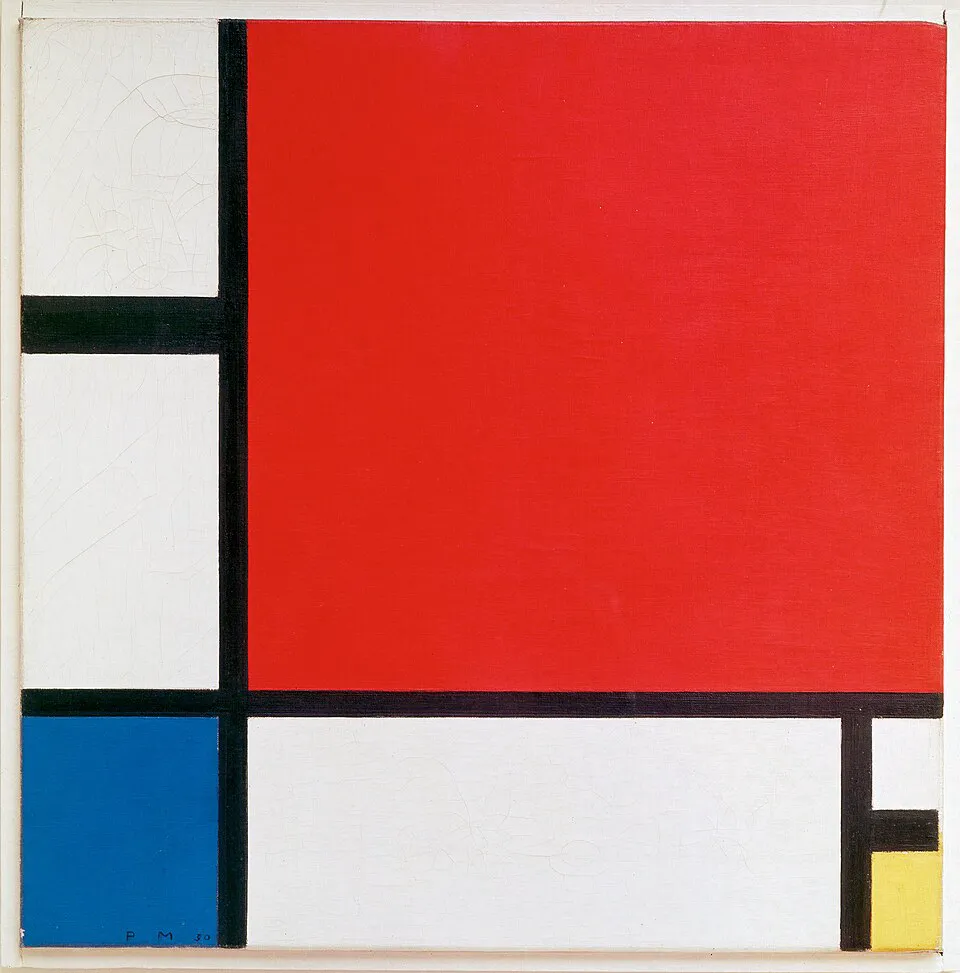 | - tension – balanced (yellow holds up the red)
- for everyone - humans make art because there isn't enough beauty in the world.
- purpose: to be used for everything in the world because everything in the world should be beautiful so we can be happy. |
Rietveld, Schroder House, 1924, de Stijl 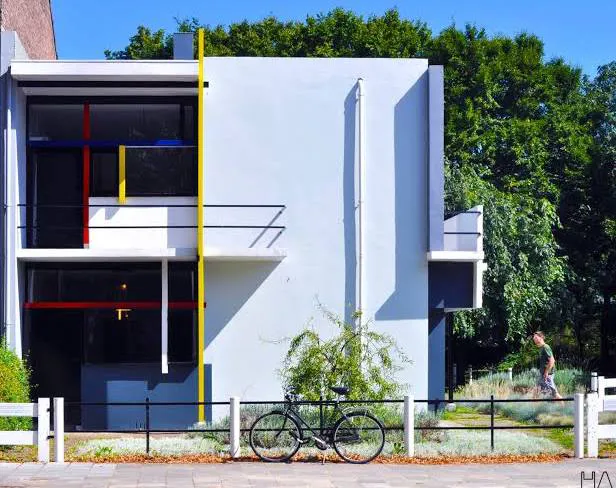 | - the house is the art - if we live in a world where everything looks like that, we would be happier. |
Leger, Grand Luncheon, 1924, Purism 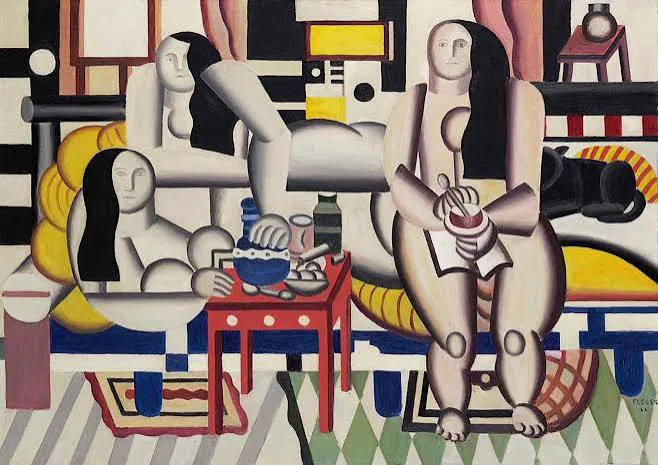 | - body parts are industrial
- celebration of the factory idea (if only people could be more like machines); they lack autonomy, feelings, and ideas |
Matisse, Odalisque with Magnolias, 1923, no category 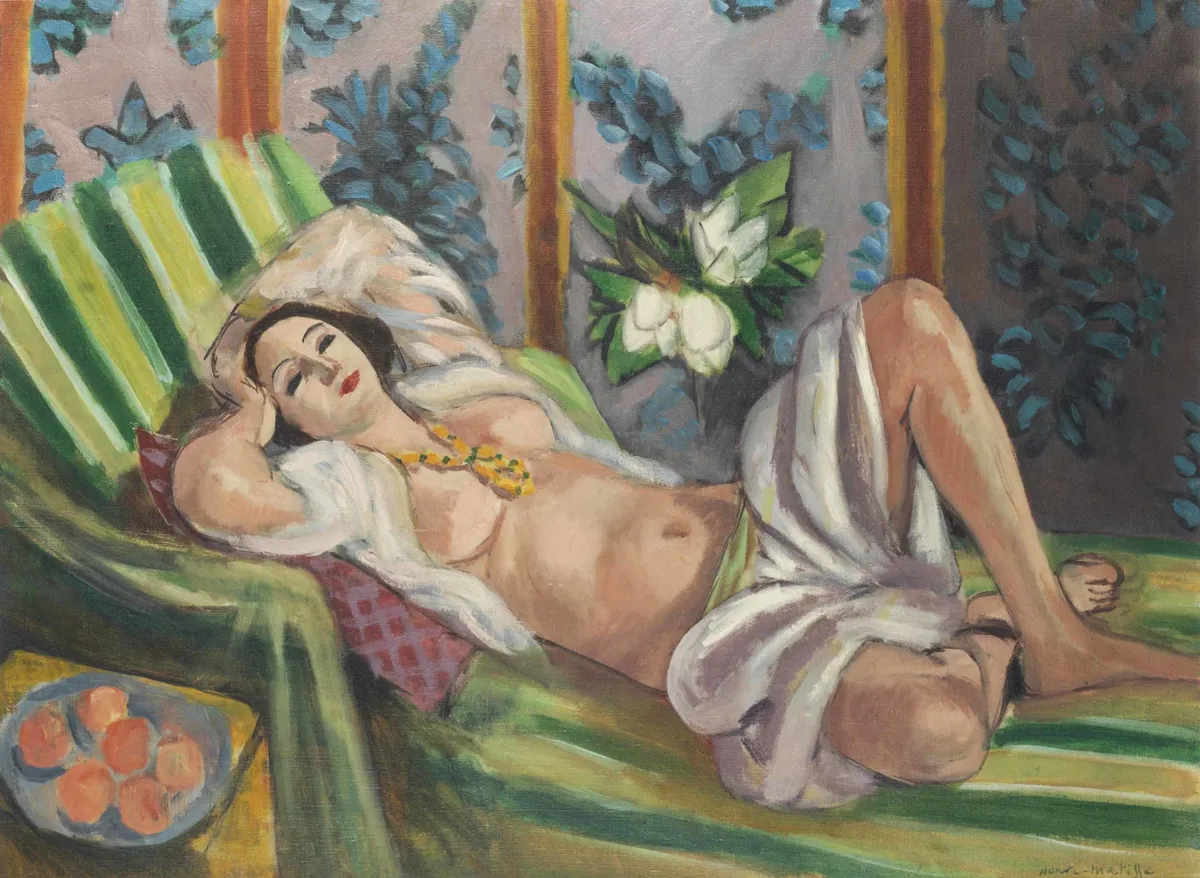 | - response to the New Woman
- he felt that women should not work, be cared for, live in a secluded environment (this is what makes women happy); they are for sex. |
Beckmann, The Departure, 1932-5, New Objectivity 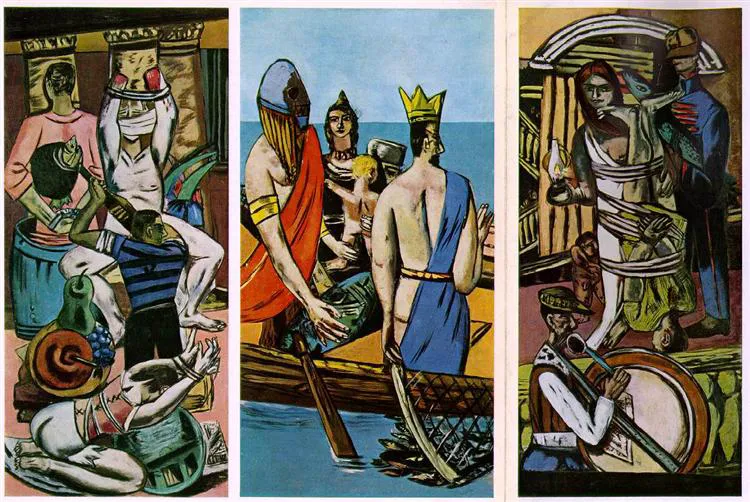 | - images of cruelty and suffering - middle scene of king, queen, child, & oarsman – represents the escape from this world, sailing to start a new world (hope for a new world/freedom)
- context: Nazis come to power in 1933, they don’t like avant-garde art
- for the artist – statement about what he wants: to escape |
Beckmann, Self Portrait in Tuxedo, 1927, New Objectivity 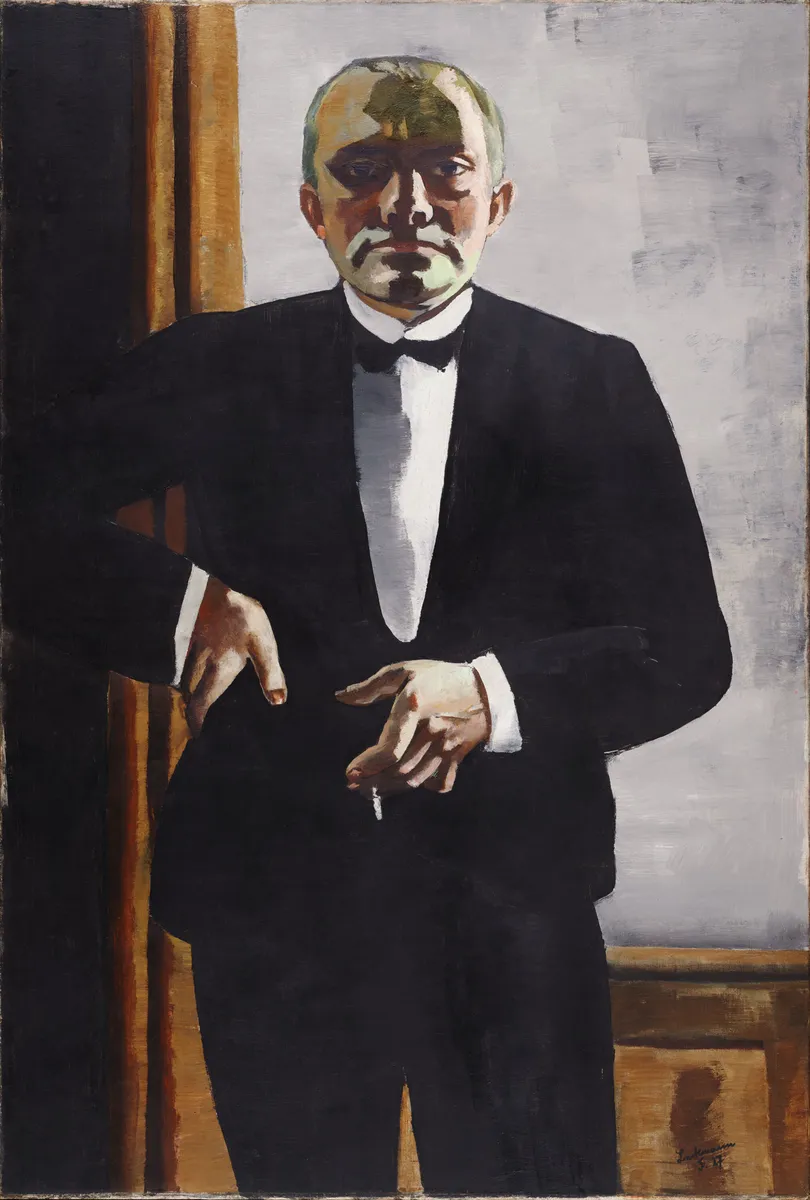 | - for himself - who I want to be/who I am
- he wants to build a stronger self – he has to build toughness to combat the atrocities of life; his hands are big to emphasize how helpless he feels
- he’s looking for a stronger and tougher self because he’s upset with the suffering in the world – solution: developing toughness. |
Dix, Self Portrait with Model, 1923, New Objectivity 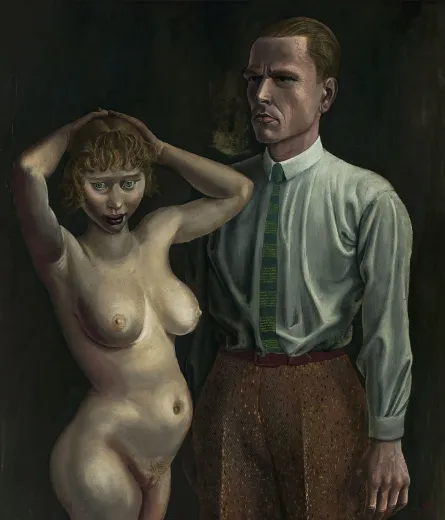 | - statement about men and women – men need civilization, women don’t (they can be natural) - the critique of men
- the purpose of civilization: rules and regulations keep you from acting according to your desires/instincts; clothes are on the side of civilization/superego |
Schad, Maika, 1929, New Objectivity 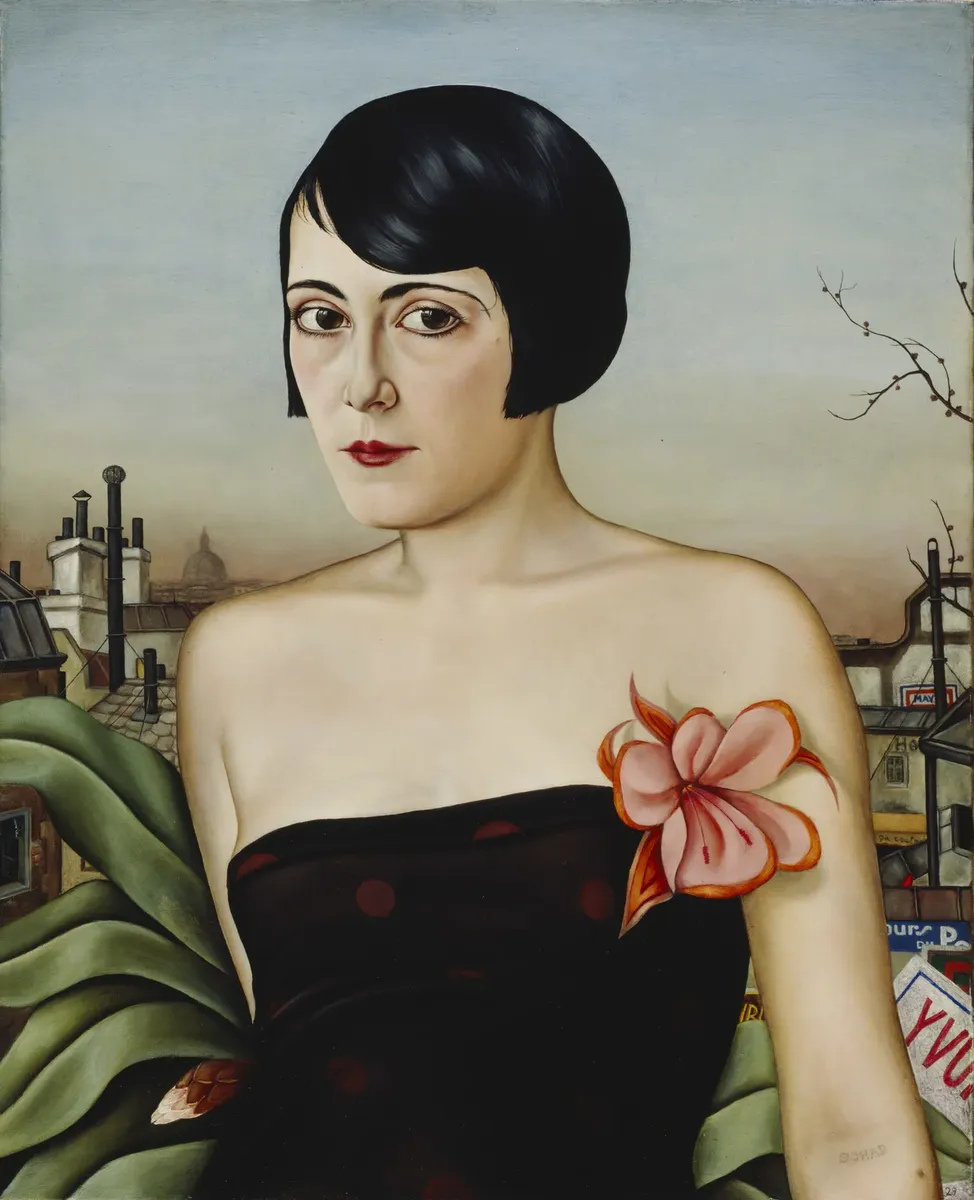 | - this painting says she is a product of her environment – the city is an unhealthy place
- her look says that she's wary – doesn’t know or trust us – that’s vulnerability - the disconnect between humans |
Duchamp, Fountain, 1917, Dada 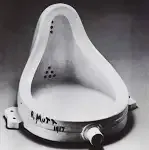 | - he changed a male thing into a female thing (it's curved, the dark hole looks like a vagina)
- a game between the artist and the viewer
- for the viewer who could play the game (who is smart enough and interested in playing ‘chess’ to understand what the art is about) |
Duchamp, LHOOQ, Dada 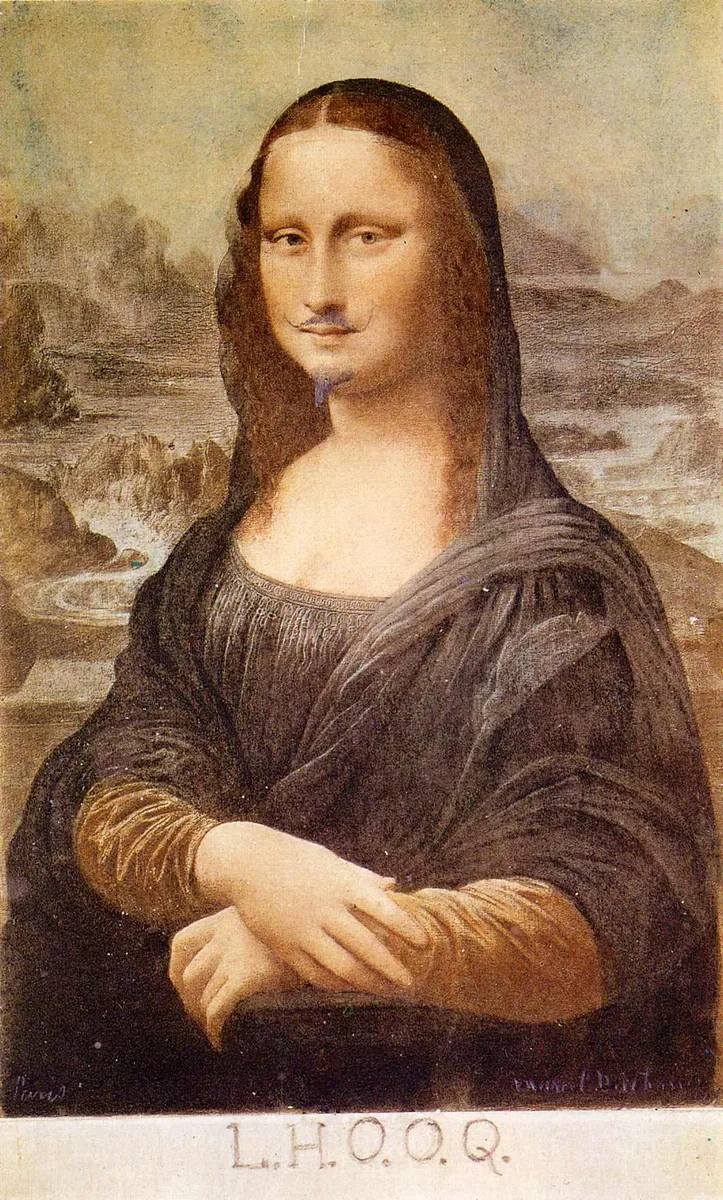 | - taking a reproduction and adding letters and facial hair – the original meaning of the Mona Lisa: symbol of hierarchy – the artists took something high and made it low
- letters: ‘elle a chaud au cul = she’s got a hot ass?’ – she’s laughing at the joke
- it’s his face on the Mona Lisa – a clever, conceptual self-portrait; he’s playing a game |
Ball, Elephant Caravan, !917, Dada 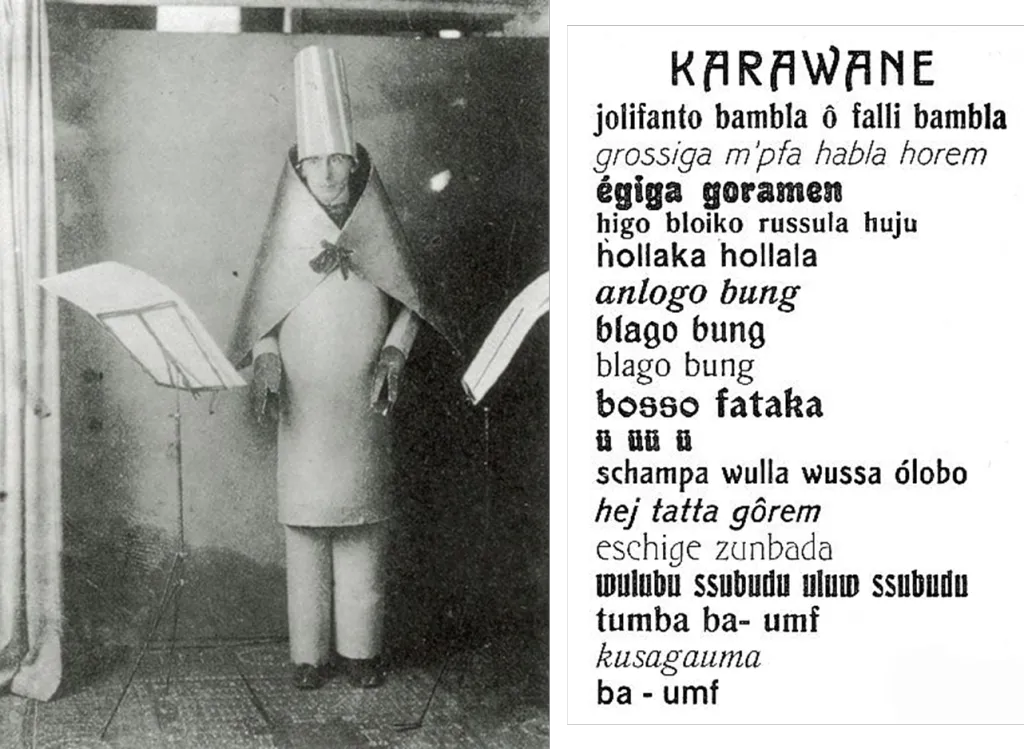 | - performance art - he comes out in the outfit and reads the poem
- it's supposed to be taking us back to the roots of language – a let's begin again kind of gesture
- he celebrates fun, pleasure, and a critique of language |
Hausmann, The Spirit of the Age, 1920, Dada 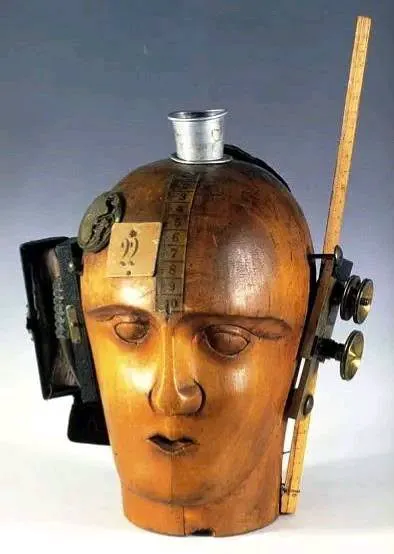 | |
Hoch, Foreign Beauty, c. 1929, Dada 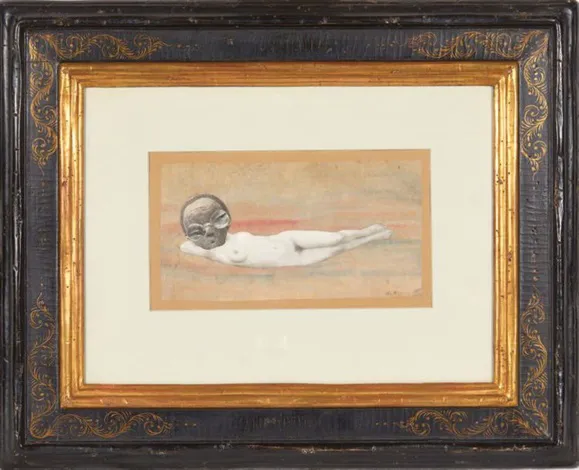 | |
Breton, The Barres Trial, 1921; Dada 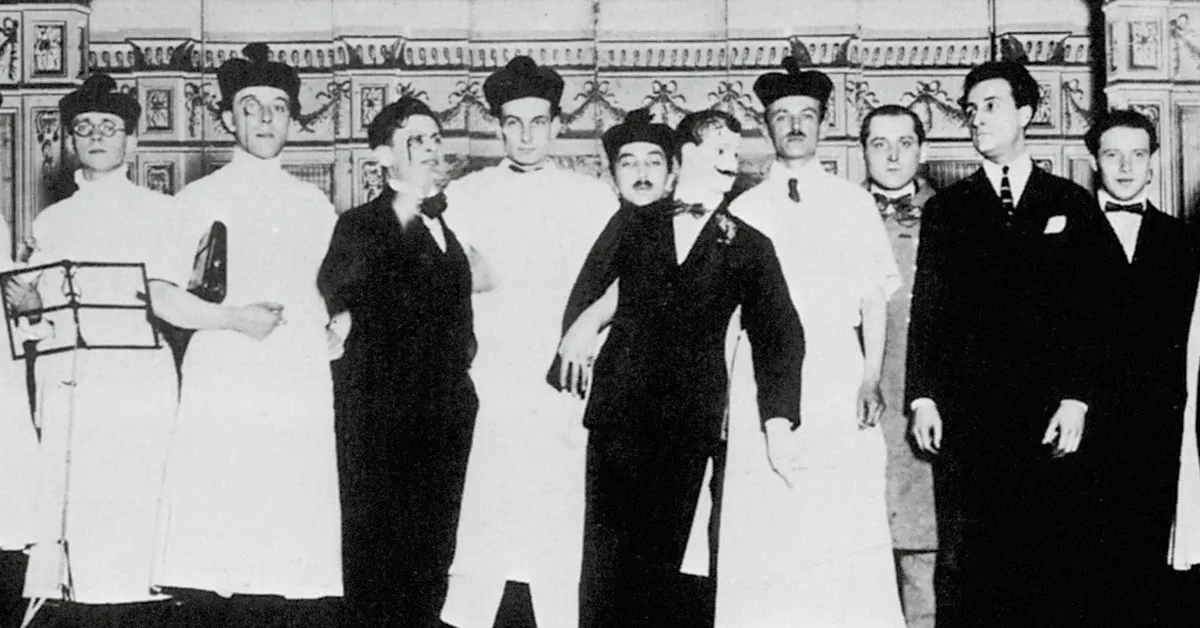 | |
Dali, The Great Masturbator, 1929, Surrealism 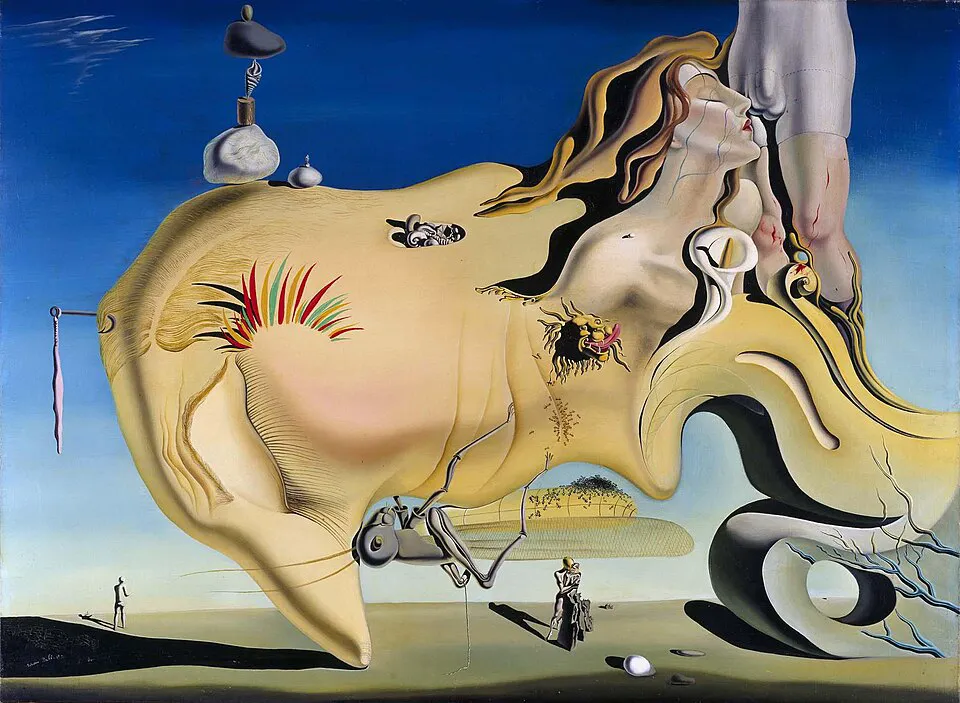 | |
Ernst, One Night of Love, 1927; Surrealism 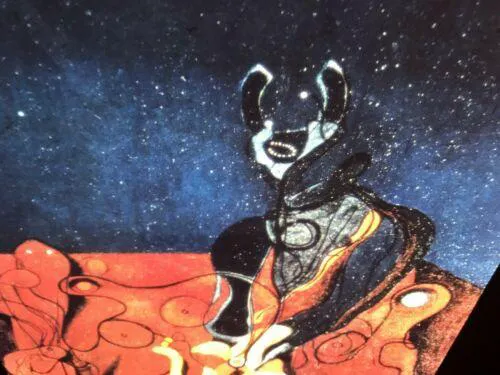 | |
Magritte, Clairvoyance, 1936; Surrealism 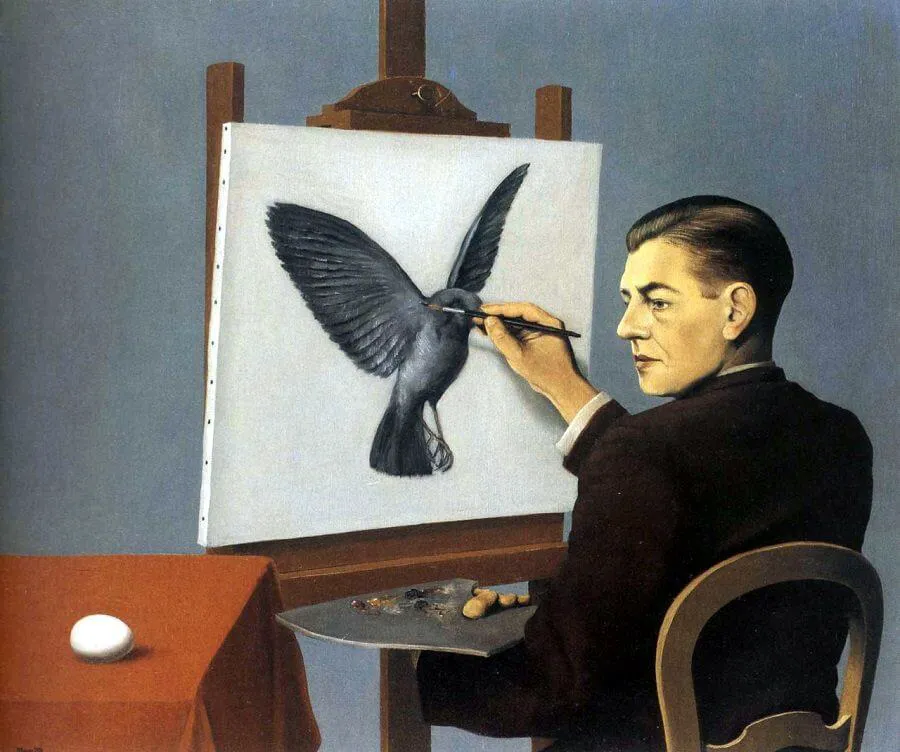 | |
Oppenheim, My Governess, 1936; Surrealism 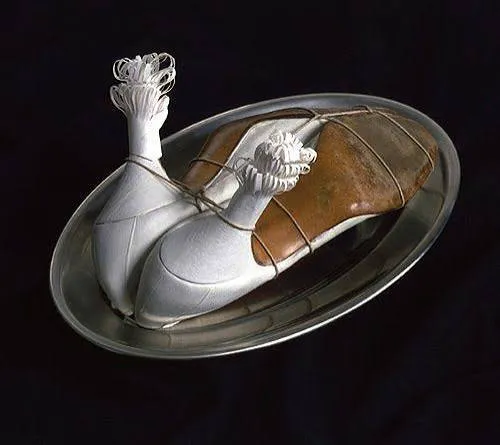 | |
Kahlo, Broken Column, 1944, Surrealism 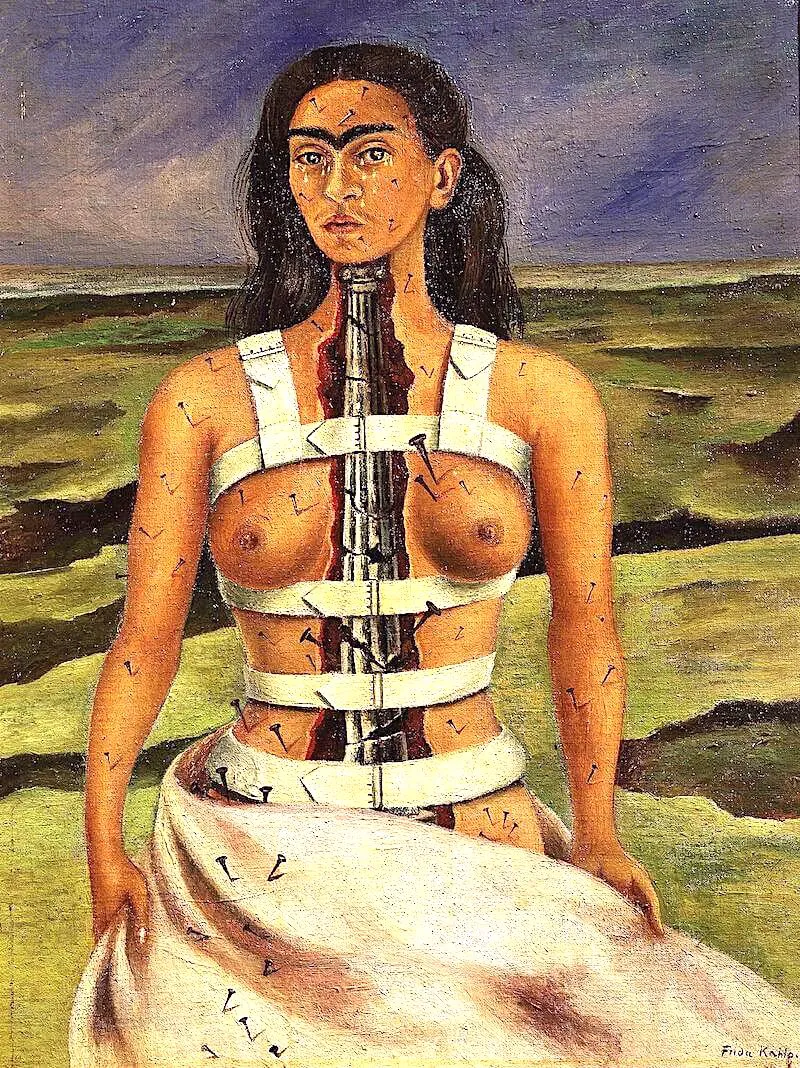 | |
Sloan, The Picnic Grounds, 1906, American Scene Painting 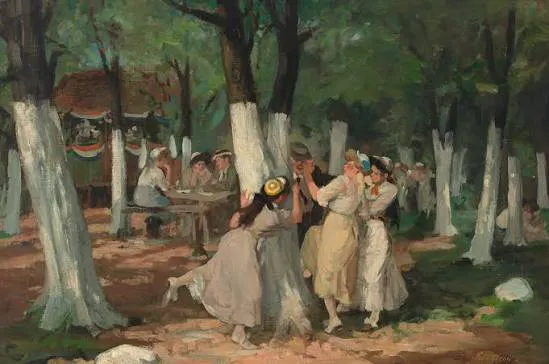 | |
Marsh, Why not use the El, 1930, American Scene Painting 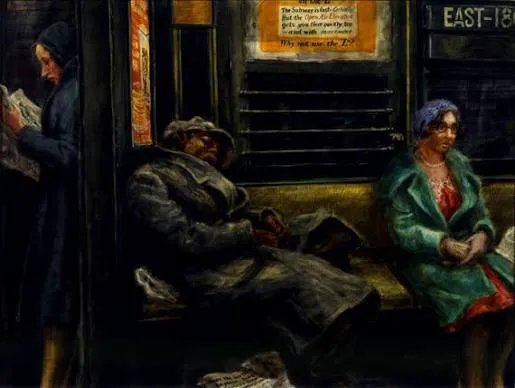 | |
Hopper, Nighthawks, 1942, American Scene Painting 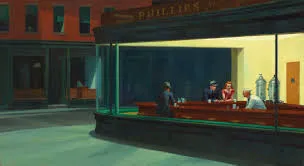 | |
Curry, Baptism in Kansas, 1928, American Scene Painting 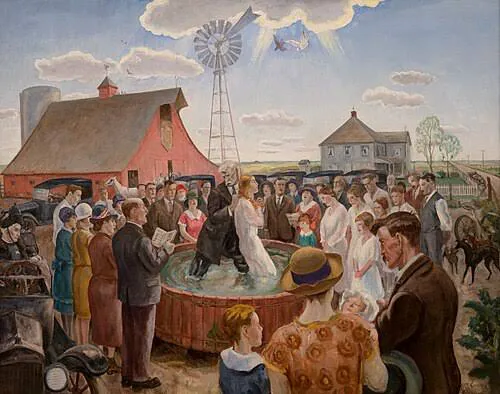 | |
Wood, American Gothic, 1930, American Scene Painting 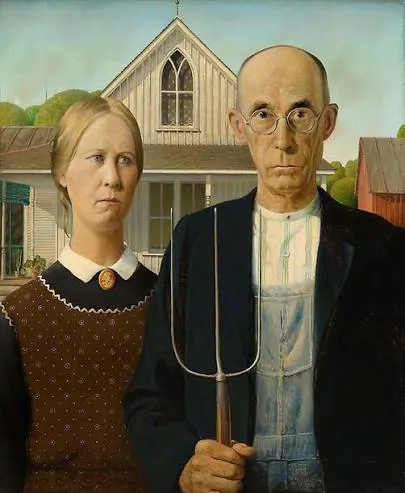 | |
Weber, The Chinese Restaurant, 1915: American Modernism 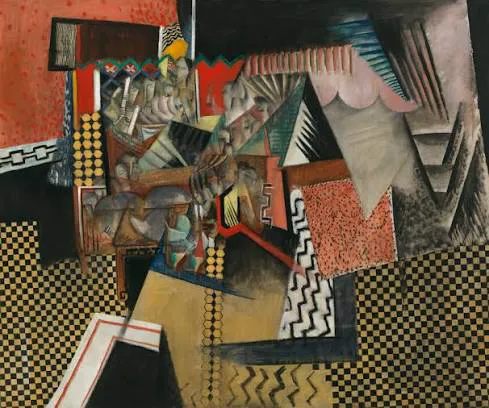 | |
O'Keeffe, Road Past the View, 1964; American Modernism 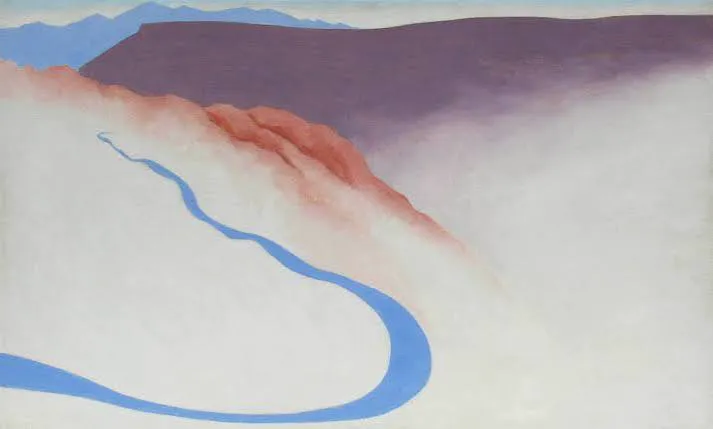 | |
Gorky, Garden in Sochi, 1943; Jungian Surrealism 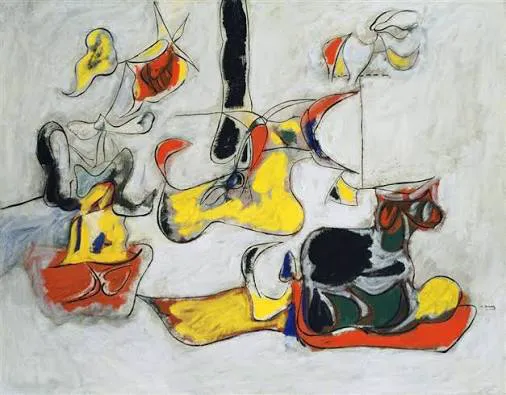 | |
Pollock, Male and Female, 1942; Jungian Surrealism 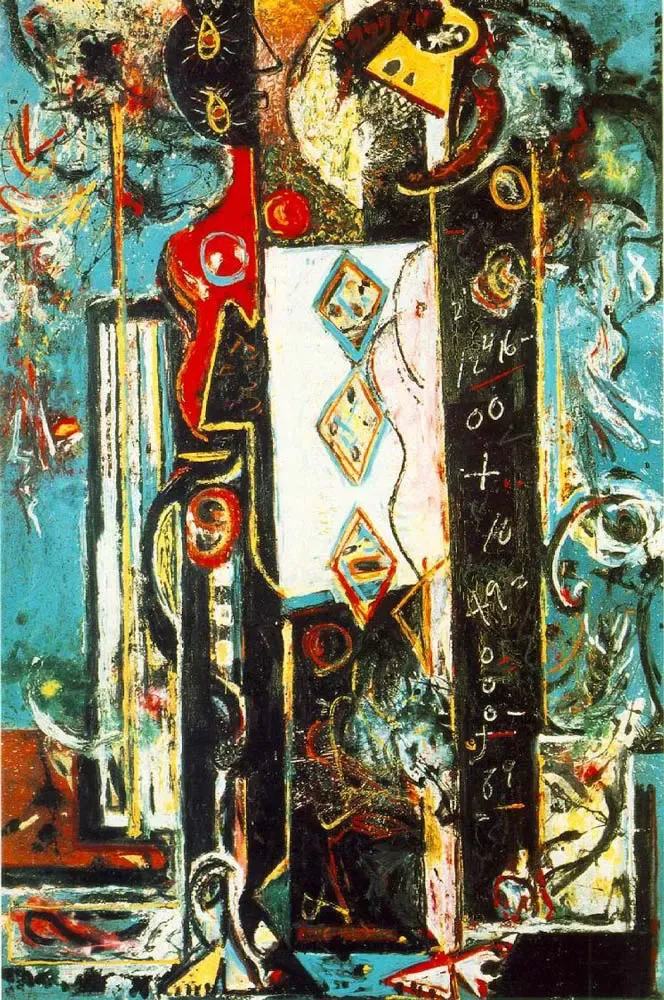 | |
Pollock, Autumn Rhythm, 1950; Abstract Expressionists 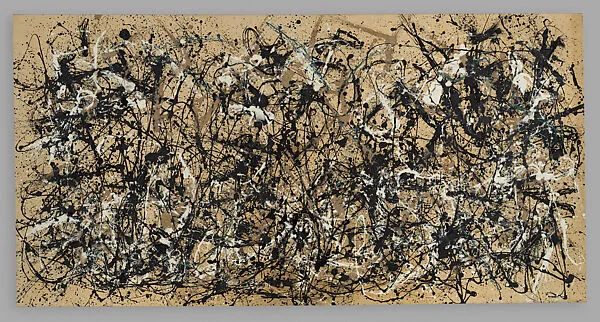 |