| Term | Definition |
|---|---|
Data Structure | The organization or arrangement of data in computer memory. |
Algorithms | Steps used to manipulate |
Array | A fixed-size structure with fast index access but slow searching and deletion. |
Linked List | A structure providing quick insertion and deletion but slow searching. |
Binary Tree | A structure for quick operations |
Hash Table | A structure with very fast access by key but inefficient memory usage. |
Graph | A structure used to model complex real-world systems like circuits or routes. |
Stack | A data arrangement where items are accessed in a last-in |
Queue | A data arrangement where items follow a first-in |
Class | A blueprint or category that defines an object's properties and behaviors. |
Object | A specific instance of a class representing a person |
Attribute | The data or characteristics that describe an object. |
Method | An action or function that an object can perform. |
Instantiation | The act of creating a specific new instance of an object. |
Instance of the object | An individual copy of an object created from a class. |
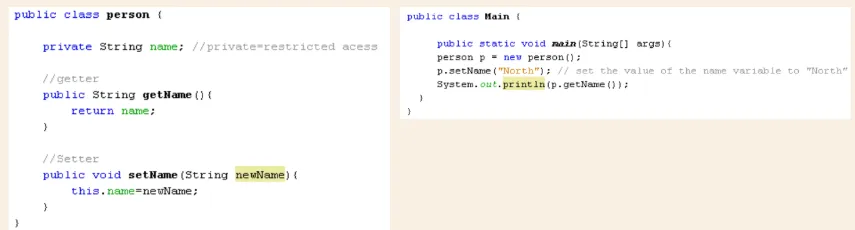 | Encapsulation - Wrapping data and code together to hide sensitive information. |
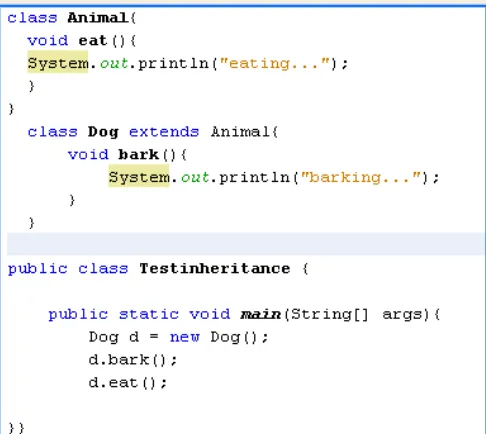 | Inheritance - When a child object acquires properties and behaviors from a parent. |
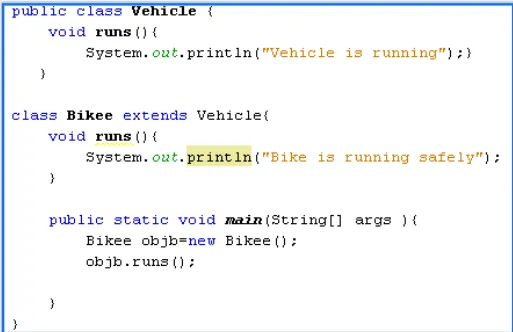 | Polymorphism - The ability to perform a single action in different ways. |
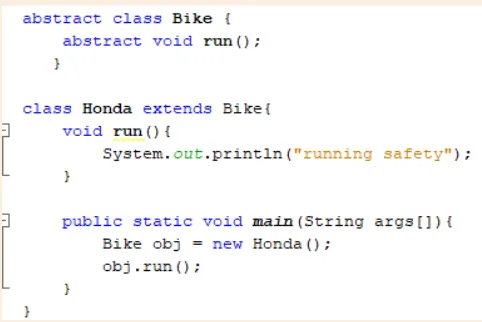 | Abstraction - Hiding implementation details to show only essential functionality. |
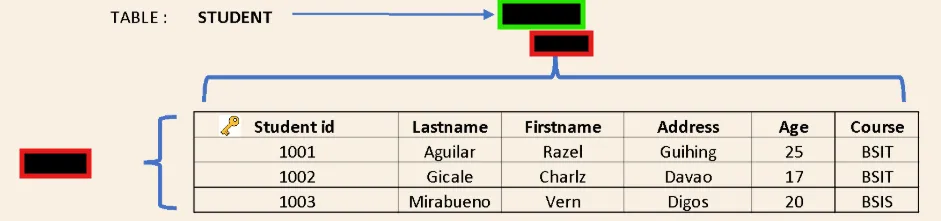 | Database - An integrated collection of logically related data. |
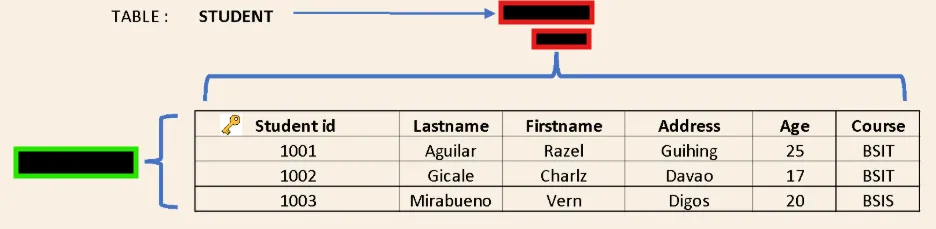 | Record - A collection of attributes providing a format for stored information. |
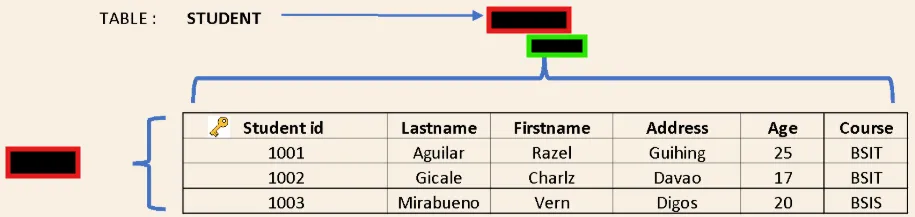 | Field - An individual characteristic of a record |
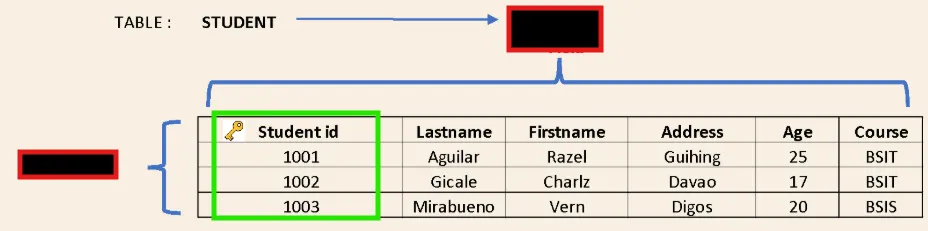 | Key - A specific field used to identify or search for a record. |
Procedural Programming | Code divided into functions with low data security. |
Object-Oriented Programming | Code divided into objects with high data security. |