Patrician
The wealthy, upper class families of Rome who traditionally held most of the political Power. Descended from Romes oldest, prestigious families. (patrician-patriarchy=power).
| Term | Definition |
|---|---|
Patrician | The wealthy, upper class families of Rome who traditionally held most of the political Power. Descended from Romes oldest, prestigious families. (patrician-patriarchy=power). |
Plebian | members of Rome who were not Patrician, so farmers, merchants, craftsmen, and even wealthy citizens. Treated less fairly. Sometimes would protest and finally gained their own elected officials called "tribunes." |
Aeneas | legendary trojan hero, who escaped the destruction of Troy and became an ancestor of the Roman people. |
Romulus | Legendary founder and first king of Rome, traditionally credited with establishing city in 753 BCE. |
Tribune of the Plebs | Officials elected by Plebians to protect Plebeian interests. Elected Roman Official who protected the rights and interests of Plebians against powerful magistrates. When plebeians got frustrated that patricians dominated politics, they withdrew from the city to protest in 494BCE. |
Servian Constitution | A set of political and Military reforms credited to King Servius Tullius that organized Roman citizens according to wealth. Servius reorganized people into property classes and voting groups called centuries. Military resources=familys wealth. |
Servius Tullius | Legendary 6th king of Rome, known for reforms to Romes Political, military, and social organizations. Later killed in a plot associated with his daughter Tullia and her husband Tarquinius Superbus. 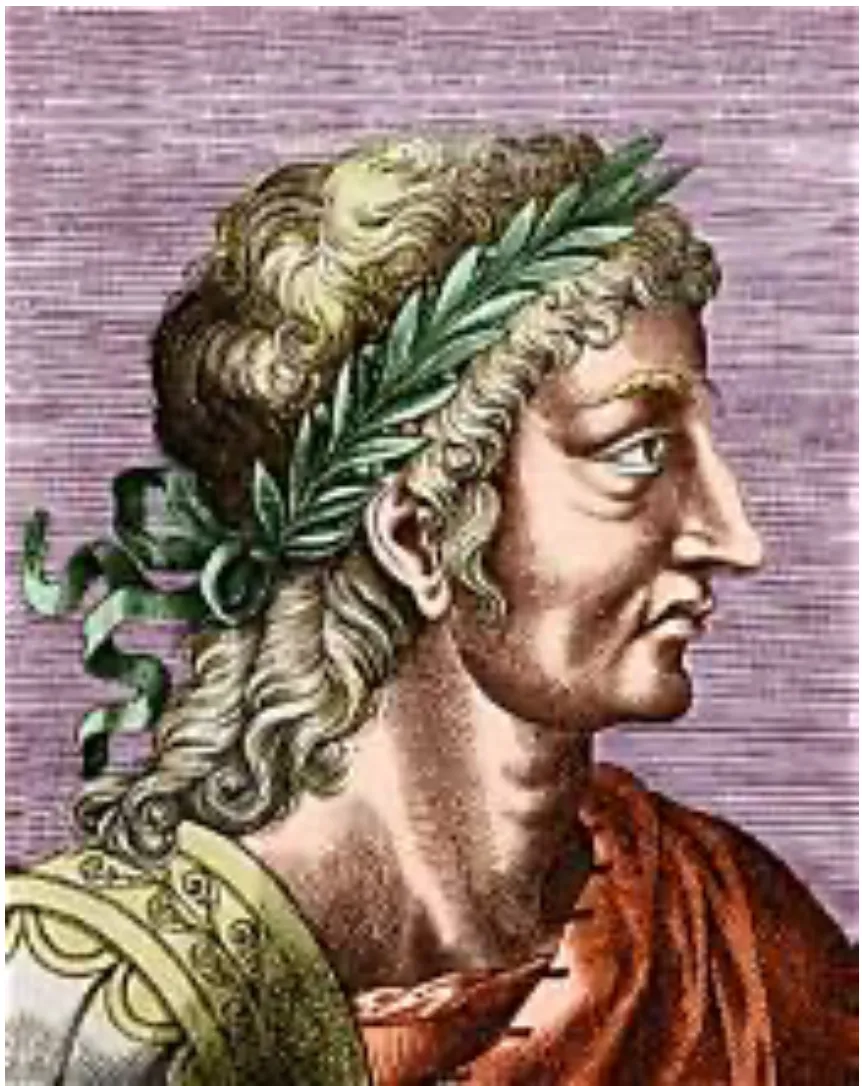 |
Numa Pompilius | Legendary 2nd king of Rome, remembered for establishing religious traditions and peaceful Institutions. Preists. (Numa=no more war=peace). 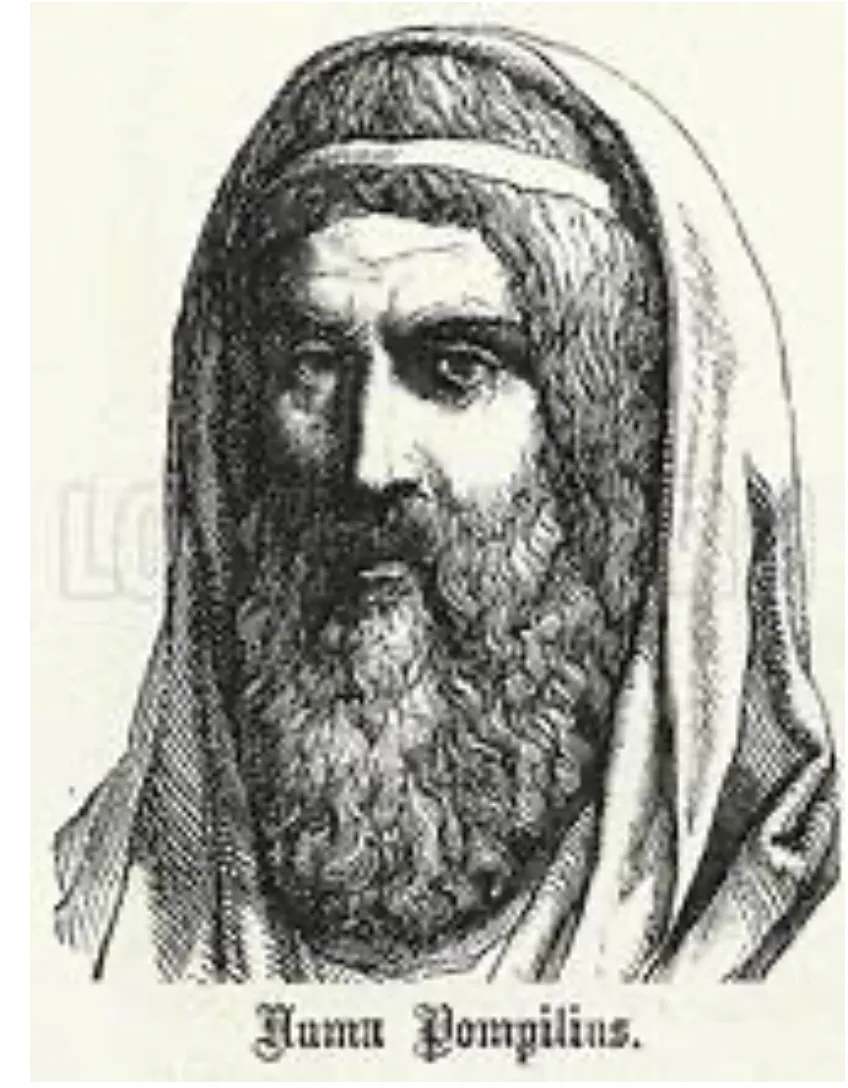 |
Senate | powerful Roman counsel composed mostly of elite men who advised magistrates and helped guide roman government. Extremely influential, esp over finances, foreign policy, and political decisions. |
Consul | One of the two chief elected magistrates of the Roman Republic, responsible for leading armies and directing the government. After Tarquinius Superbus was overthrown, Romans replaced kingship with two annually elected consuls. |
Lapis Niger | Ancient and Sacred site in Roman Forum, Marked by Black stone pavement and associated with Romes earliest history. (Lapis Niger=Black Stone). Possibly death/buriul of Romulus. 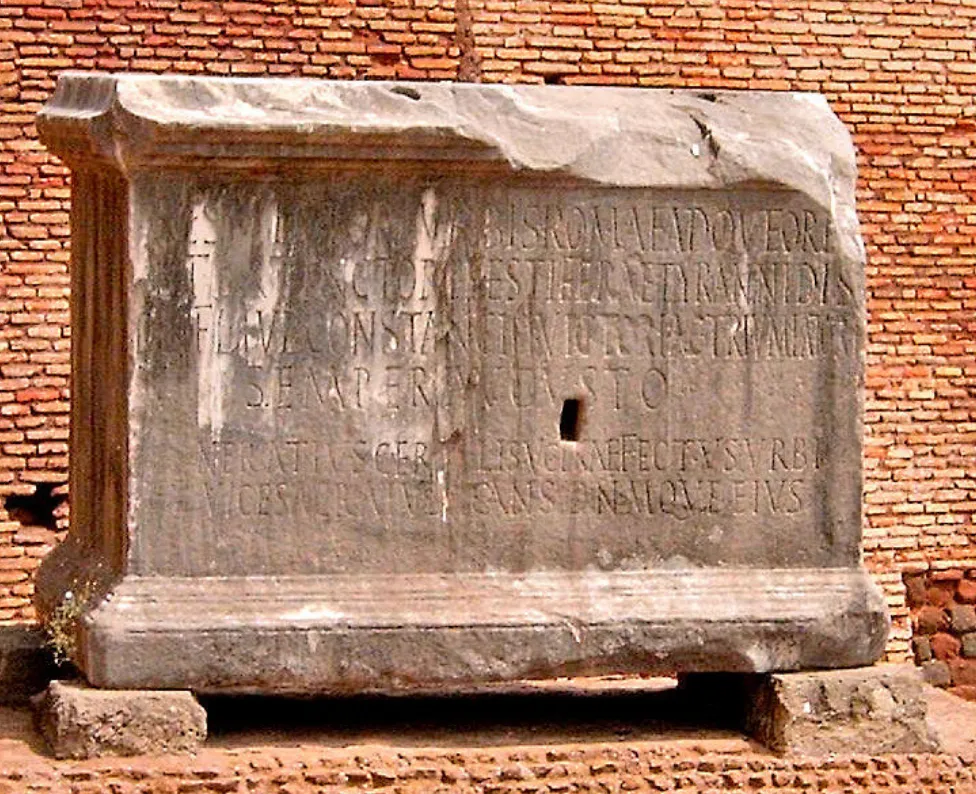 |
Tarquinius Superbus | 7th and final king of Rome, overthrown in 509 BCE. (Superbus='the proud'). Remembered as Tyrannical ruler who seized power after the death of Servius Tullius. According to Roman tradition, his son Sextus assaulted Lucretia. The romans than established 'The Republic'. 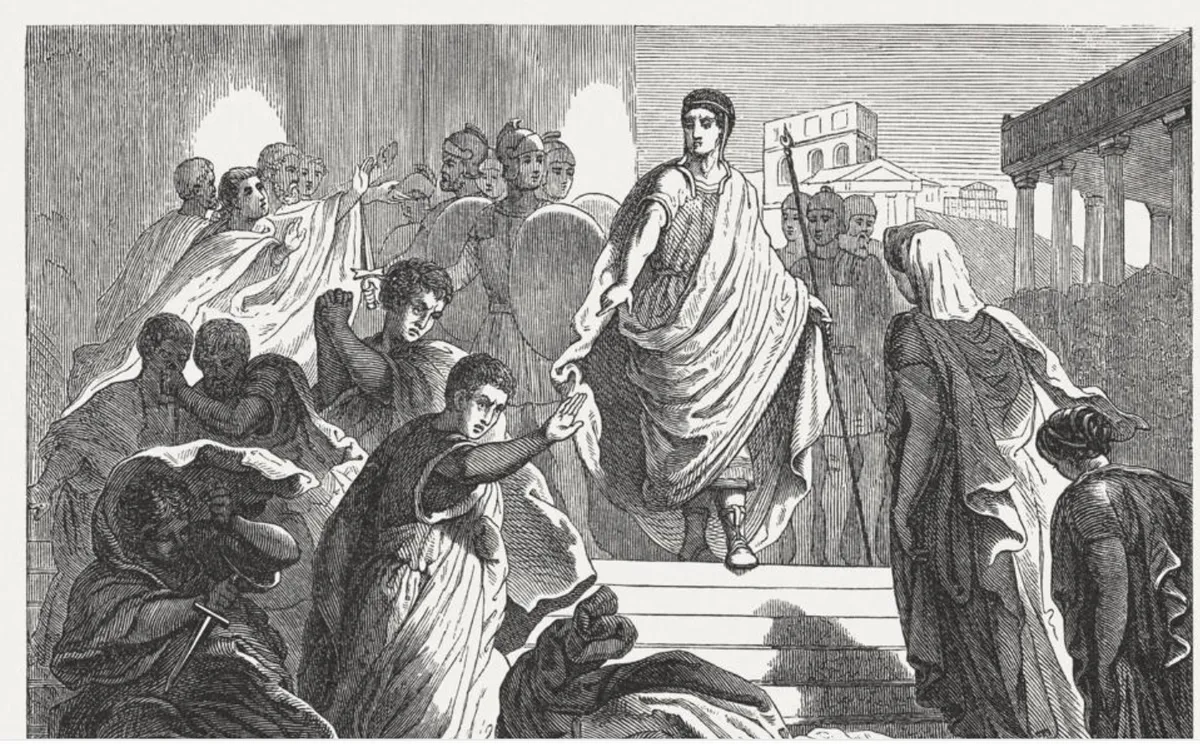 |
Temple of Jupiter Optimus Maximus | Rome's major state temple on the Capitoline Hill, dedicated to Jupiter, Juno, and Minerva. Constructed under Tarquin kings, dedicated in the Early Republic. Jupiter was Romes chief god. Temple became symbol of Roman religion, political authority, and military success. Victorious Roman generals would conclude their triumph at the temple. Tarquinius superbus finished the construction. 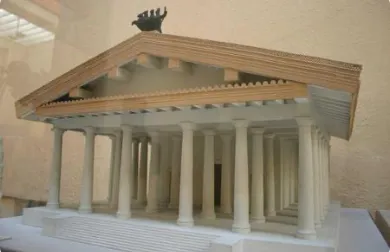 |
Twelve Tables | created 450-451BC. Earliest written collection of Roman laws, displayed publicly. Not necessarily fair but able to be known. |
Licinian-Sextian laws | series of Roman reforms traditionally passed in 367 BCE that expanded Plebeian political opportunities and addressed debt and public land uses. Major result of this was that Plebians could now become consuls. |
Cassian treaty | A treaty between Rome and Latin cities that established a military alliance for mutual defense.  |
Disaster at River Allia | Devastating Roman military defeat against the Gauls near the Allia River, followed by the Gaullic sac of Rome. A Gallic Army invaded Roman territory and looted and burned much of the city. Roman defenders held out on the Capitoline Hill, Gauls eventually withdrew. Demonstrated Romes need for stronger defenses. (Allia=awful loss). 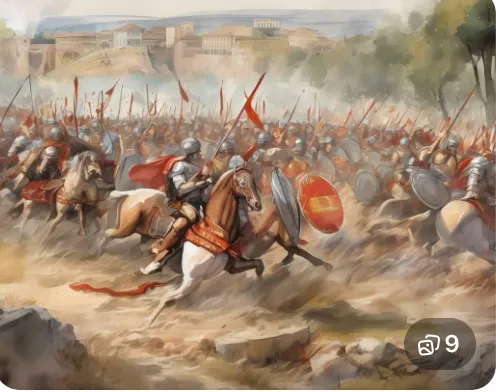 |
Maniple system | A roman military organization that divided legions into smaller, flexible units called 'maniples'. Allowing soldiers to maneuver more effectively in battle. used during Samnite wars. Younger soldiers fighting in front. 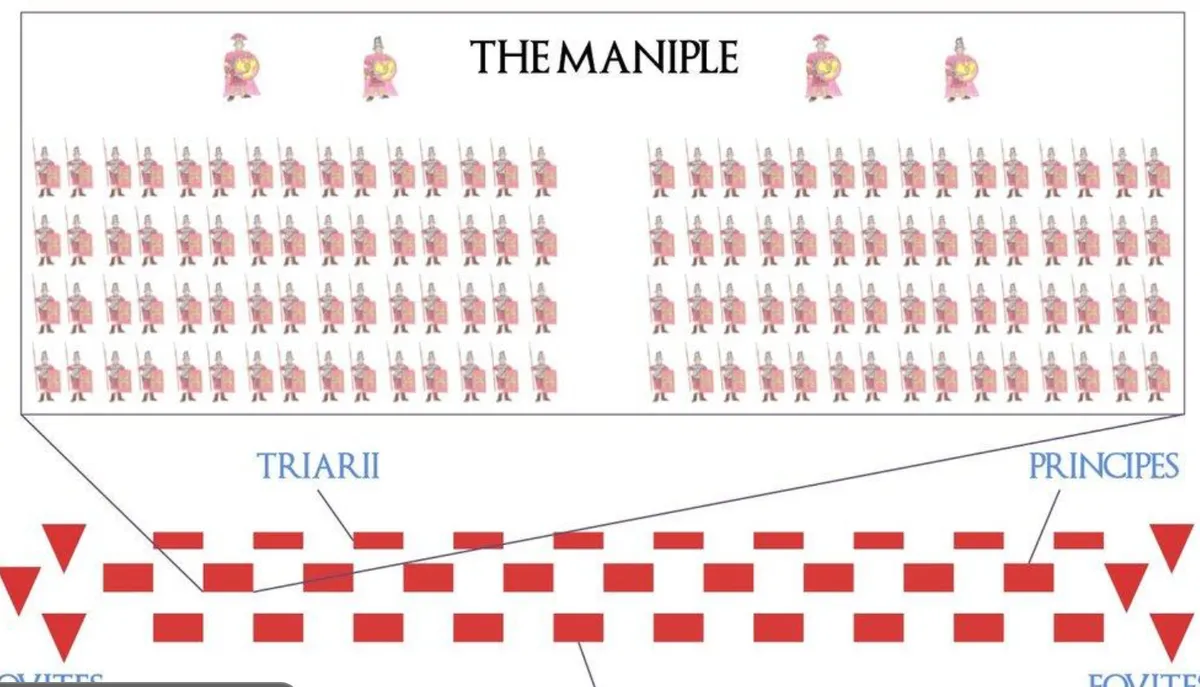 |
Pyrrhus | Greek king of Epirus who fought against Rome in southern Italy and became famous for the phrase "Pyrrhic victory". Pyrrhus brought war elephants to fight Rome and defeated Rome in two battles but lost too many soldiers and resources it wasn't worth it. (Pyrrhic victory=you win the battle, but loose so much that the victory isn't worth it) 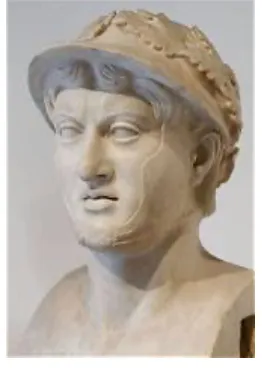 |
Corvus | A roman naval boarding bridge used during the first punic war to help Roman soldiers board enemy ships. When Rome began fighting Carthage in 1st punic war, Carthaginians were much more experienced at Naval warfare. (crows beak latches on to ship). 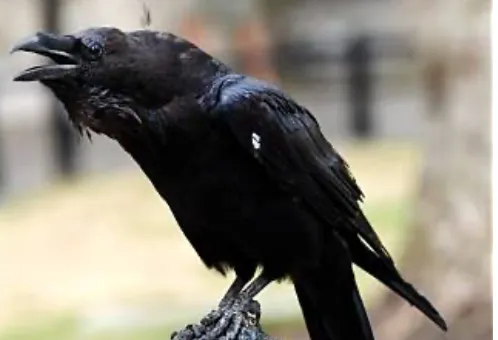 |
Hannibal | Carthaginian general who led an invasion of Italy during the second punic war and became one of Rome's most dangerous enemies. Hannibal beat Romans at battle of Canea. Marched his army from Spain, crossed the alps, and entered Italy with war elephants. Hannibal returned home after Scipio defeated him at the Battle of Zama. 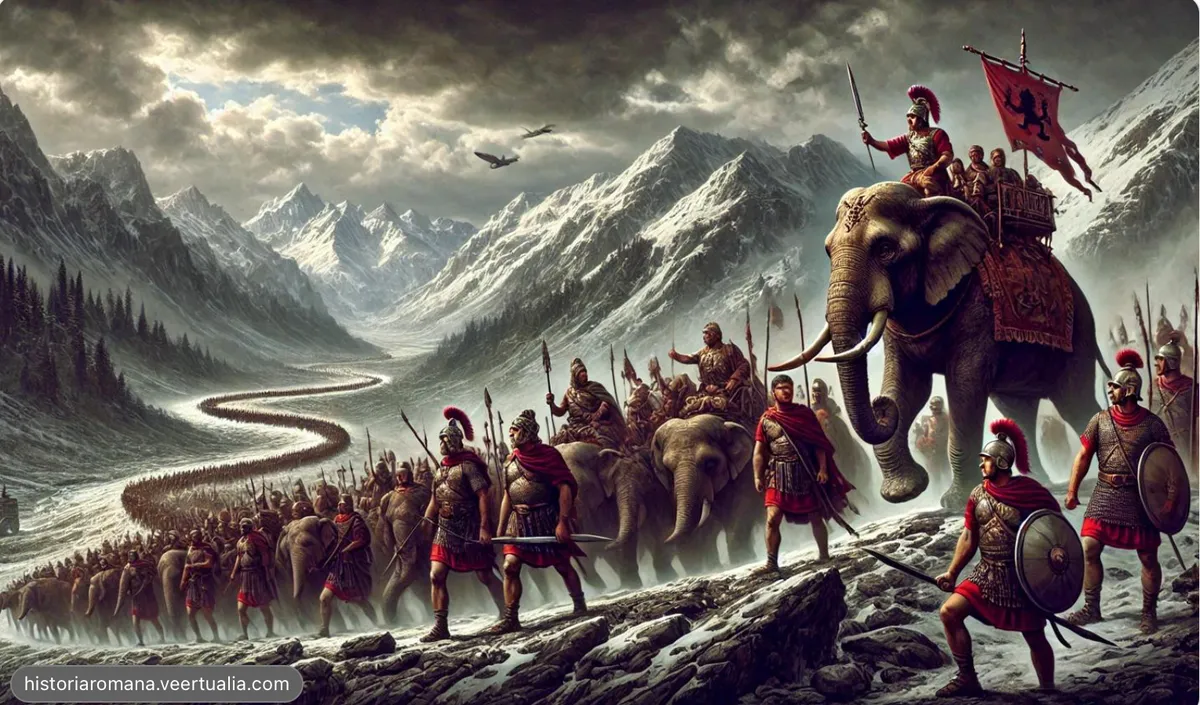 |
Vestal Virgins | A group of 6 priestesses dedicated to the Goddess Vesta who protected Rome's sacred flame, symbolizing the safety and continuity of the Roman state. Selected as young girls and served for 30 years. Job is to maintain Romes sacred fire in the Temple of Vesta, believed the continuous burning of fire was connected to Rome's well-being. Punishment was being buried alive, but still had unusual privileges. 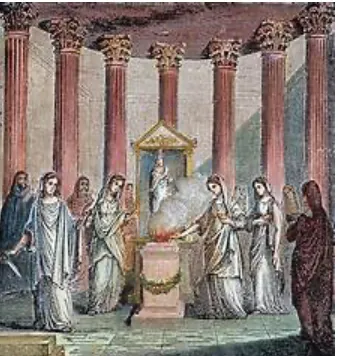 |
Battle of Lake Trasimene | 2nd punic war, major Carthaginian victory in which Hannibal ambushed and destroyed a Roman army near Lake Trasimene, Italy. (Trasimene=trap by lake). |
Battle of Canae | One of Romes worst military defeats, where Hannibal surrounded and destroyed a massive Roman army using a double envelopment strategy. (Canae=caught in circle). Hanibals most famous tactical victory. |
Battle of Zama | decisive Roman victory in North Africa where Scipio Africanus defeated Hannibal, effectively ending the 2nd punic war. (Z=zama=last letter of alphabet=last battle in 2nd punic war) |
Philip V of Macedon | King of Macedonia who fought against Rome during the Macedonian Wars as Rome expanded its influence into Greece. Allied with Hannibals Carthage for 1st punic war. In the 2nd Macedonian war, Roman Forces led by Titus Quinctus Flaminius defeated Philip at the Battle of Cynoscephalae. |
Catiline | Roman politician who organized a conspiracy against the Roman republic in 63 BCE after failing to win the consulship. Cataline appealed to people struggling with debt and dissatisfaction with Rome's government. Consul Cicero exposed the conspiracy and delivered famous speeches against Cataline in the Senate  |
Cicero | famous Roman politician, lawyer, philosopher, and orator who defended the Roman Republic and exposed Cataline's conspiracy. Became consul in 63BCE. Years later, Cicero opposed Mark Antony and was killed during political violence surrounding the end of the Republic. (Cicero=speaches that stopped Cataline). 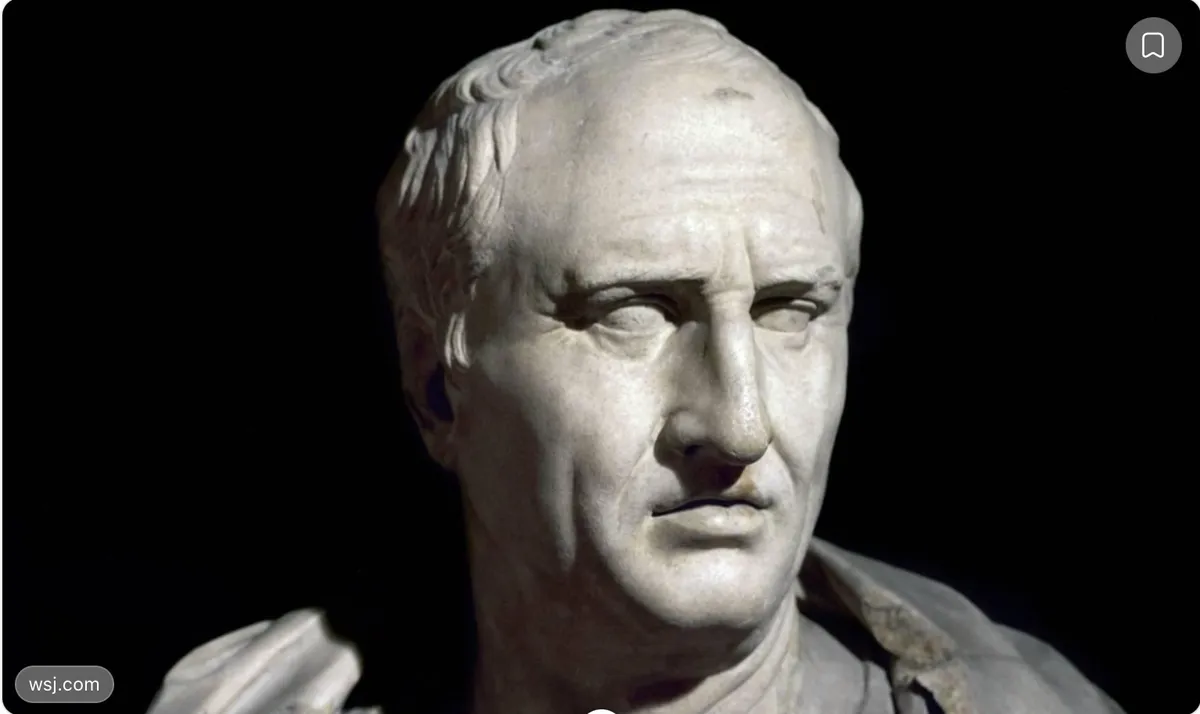 |
Patrons | Wealthy/influential Romans who provided protection, financial assistance, legal help, or favors to less powerful individuals called "clients", in exchange for loyalty and support. (Patron=powerful protector). 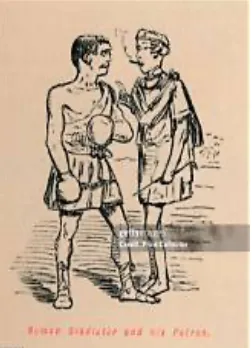 |
Titus Quinctus Flaminius | Roman general and consul who defeated Philip V. of Macedon and proclaimed freedom of the Greeks in 196 BCE at the Corinth. |
Corinth | Important greek city-state that was destroyed by Roman forces in 146 BCE, symbolizing Romes growing control over Greece. 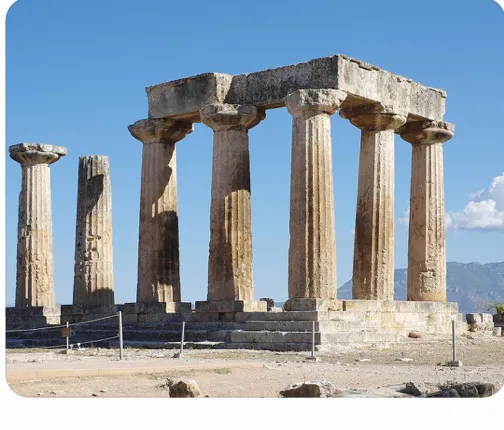 |
Senatus Consultum de Bacchanalibus | A roman senate decree issued in 186BCE that severely restricted the worship of Bacchus, the god of wine and ecstatic celebration. 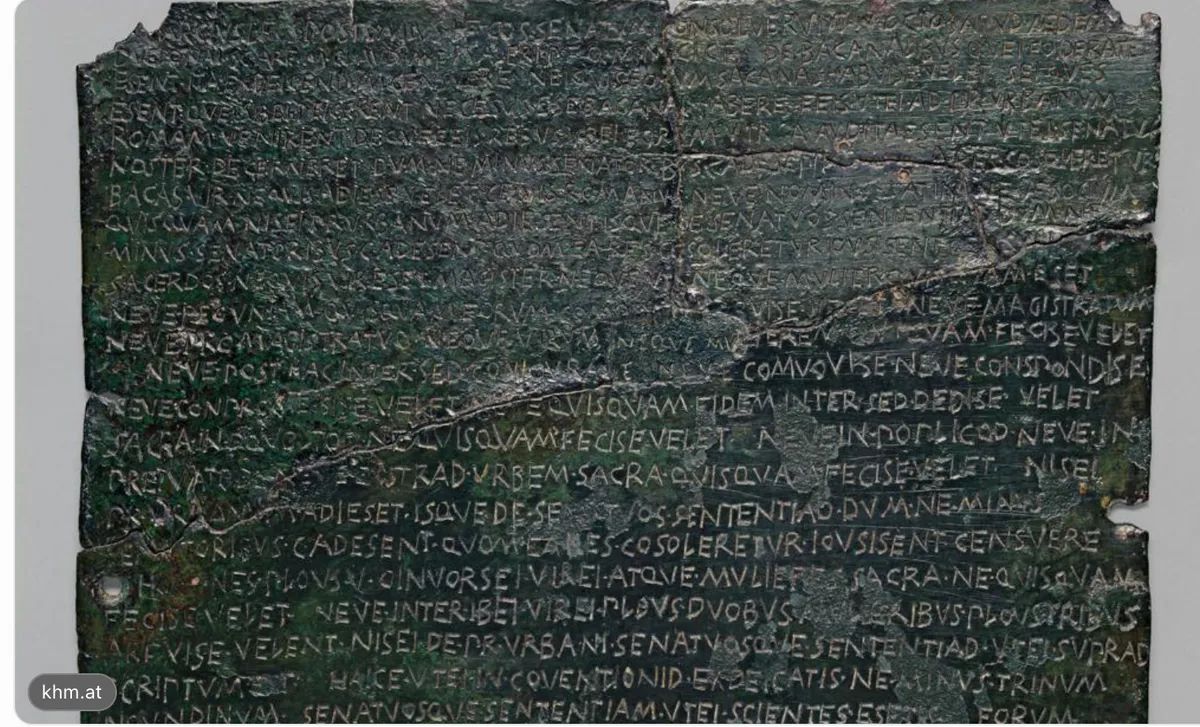 |
Tiberius Gracchus | A Roman tribune of the plebs who attempted to redistribute public land to poorer citizens in 133 BCE. Powerful senators opposed his methods/reforms and had him killed. (T Gracchus=tribune graciously gives land). |
Gaius Gracchus | Younger brother of Tiberius Gracchus, who served as tribune and introduced major political, economic, and social reforms. Expanded his brothers land policies and introduced additional changes. proposed expanding citizenship to Italian allies. (Gaius=goes further graciously). 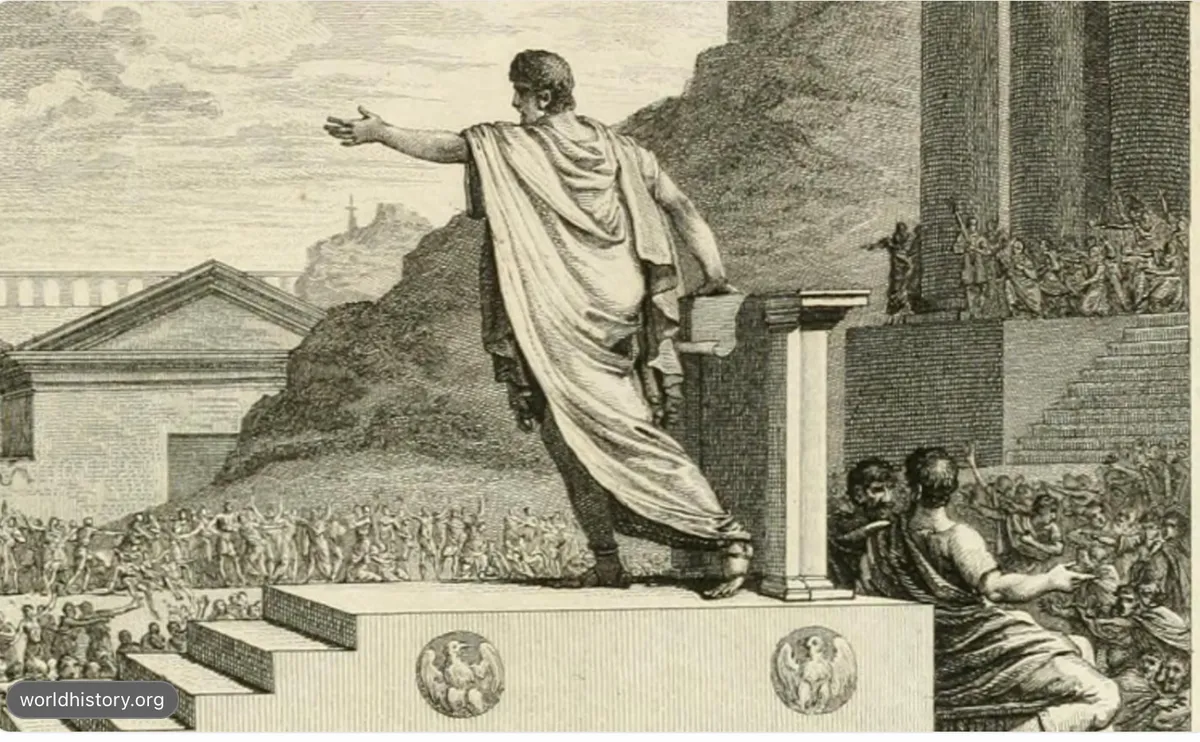 |
Marius | Roman general and politician famous for his military reforms, seven consulships, and rivalry with Sulla. Recruited poorer romans but his Marian Reforms did well. 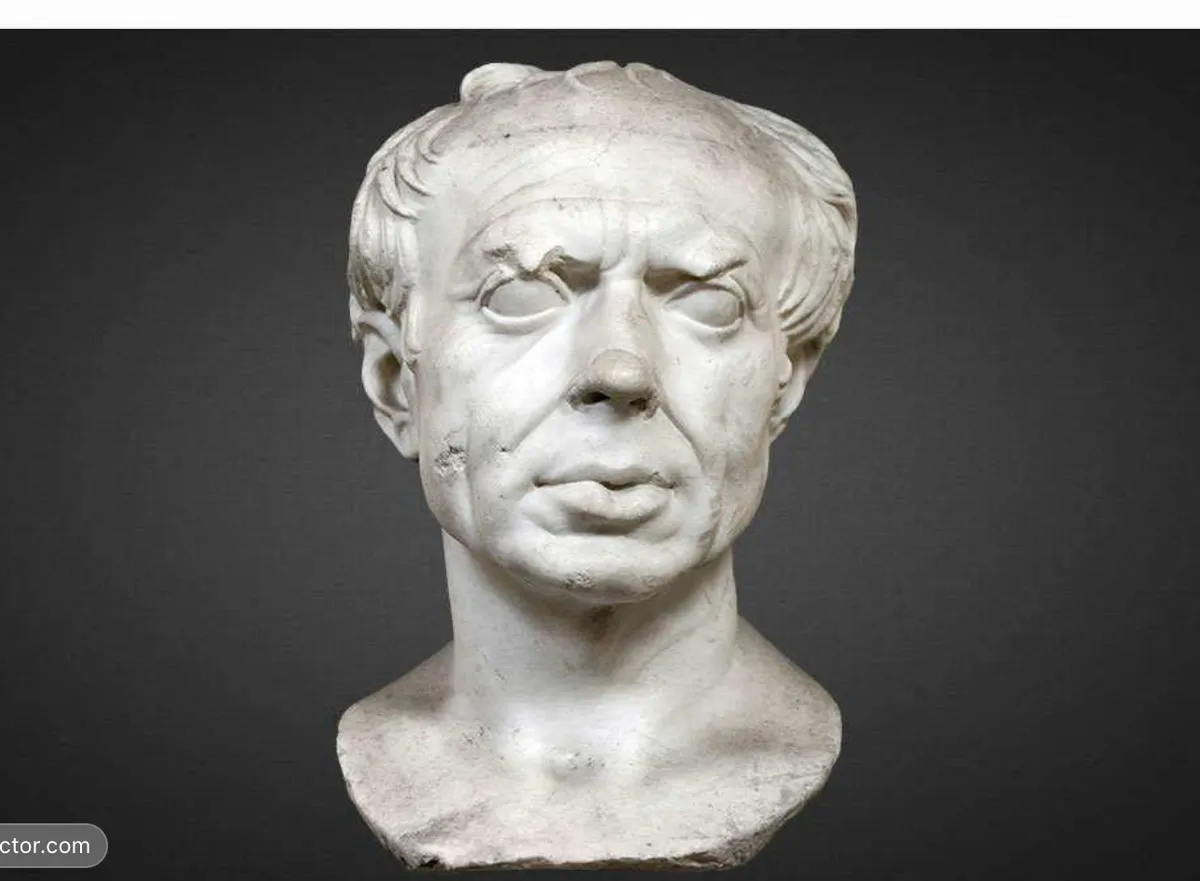 |
Sulla | Roman general and dictator who fought a civil war against Marius's supporters, seized control of Rome, and attempted to strengthen the Senates authority. Began his career working under Marius. Marched his army on Rome after a command against King Mithridates VI was transferred to Marius. Roman commander using his soldiers against his own city. Sulla won control of Rome in 82 BC and became dictator. Introduced Proscriptions, official lists of enemies who could be killed and whose property could be confiscated. Eventually resigned his dictatorship 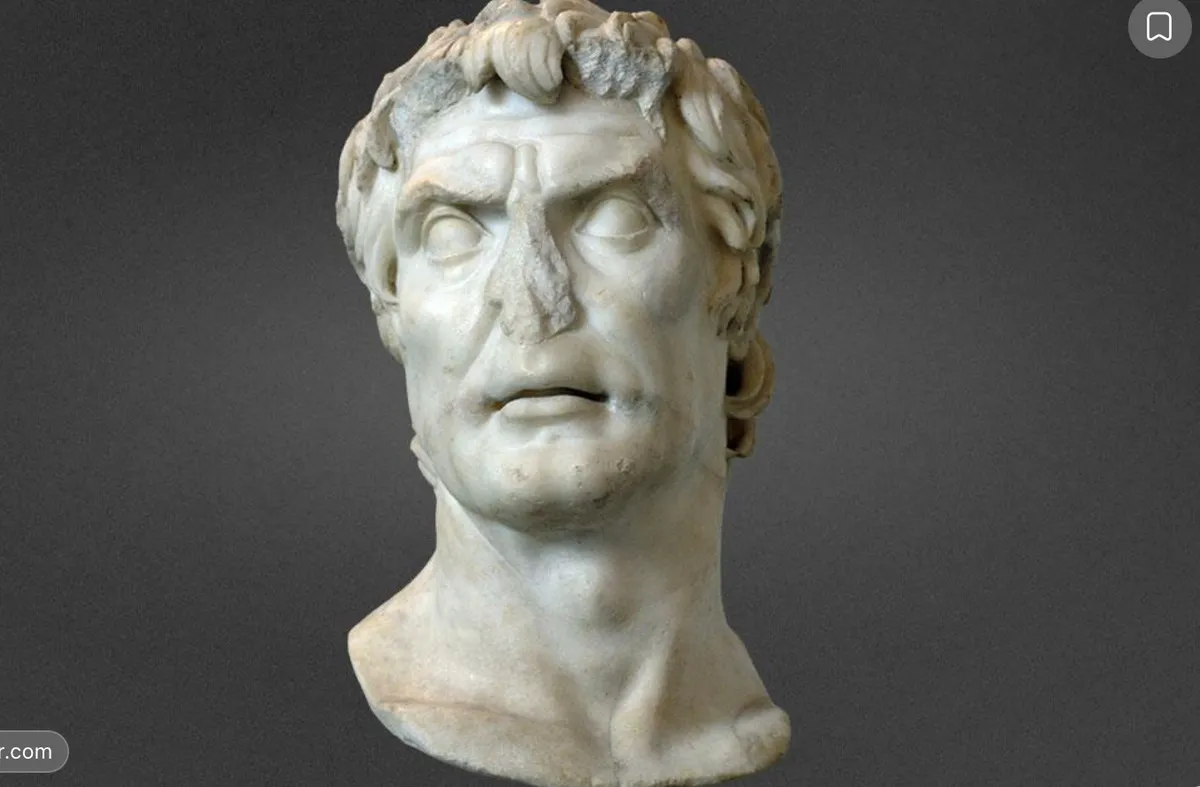 |
Social War | war between Rome and its Italian Allies, primarily over the allies' lack of Roman citizenship and political rights. Rome defeated Italian Allies but eventually granted them citizenship. 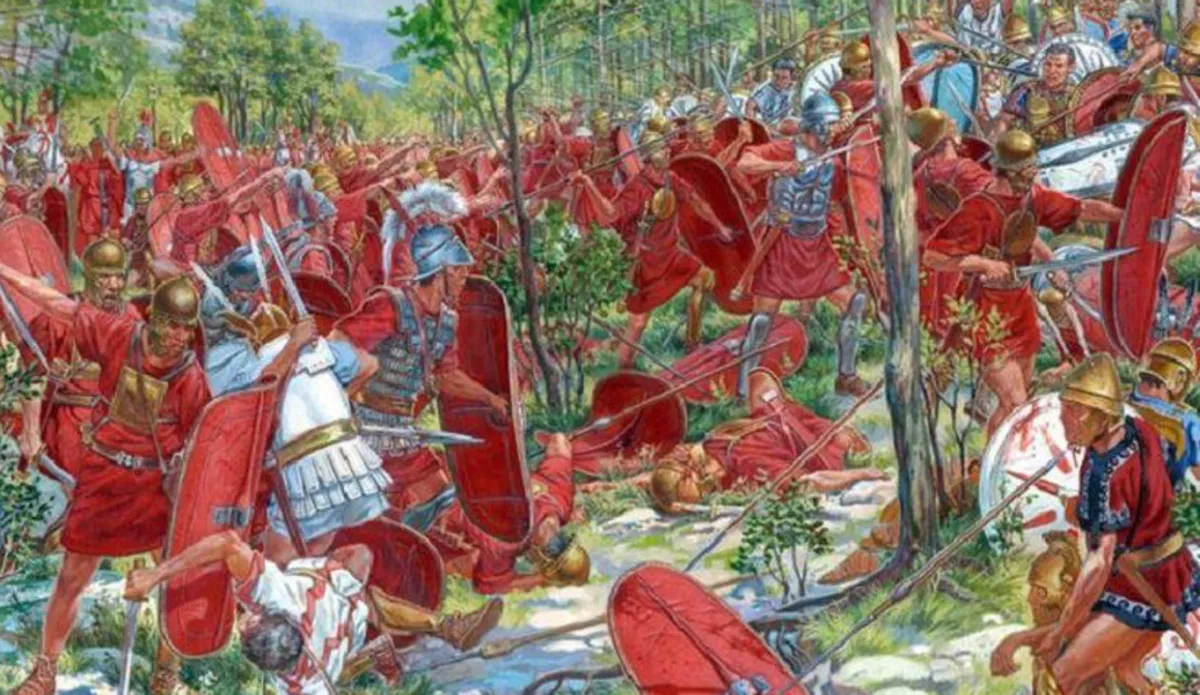 |
Mithridates VI | King of Pontus in Asia Minor who fought three wars against Rome in an attempt to resist and challenge Roman control in the eastern mediterranean. Pompey defeated him during the 3rd Mithridatic war. |
Triumph | A prestigious public ceremony in Ancient Rome celebrating a general's major military victory, traditionally authorized by the senate. Victory parade. 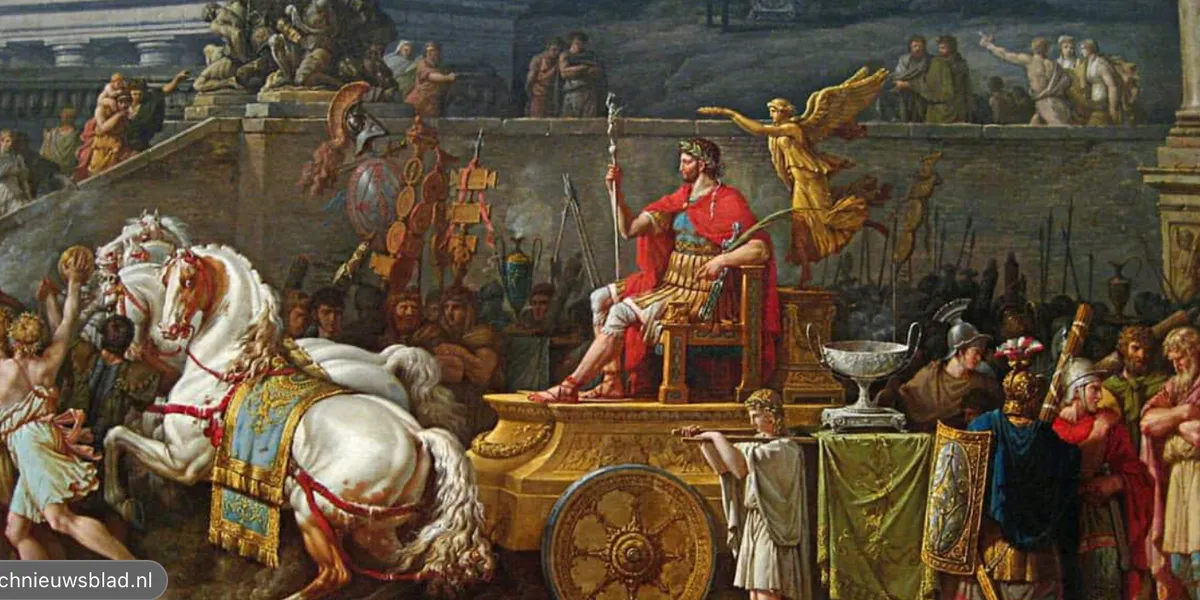 |
Pompey | A powerful Roman general and politician who defeated Mithridates VI, joined the first Triumvirate, and eventually fought a civil war against Julius Caesar. Approx 60 BC, formed political alliance with Julius Caesar and Marcus Licinius Crassus called the First Triumvirate. First worked with caesar than turned against him. 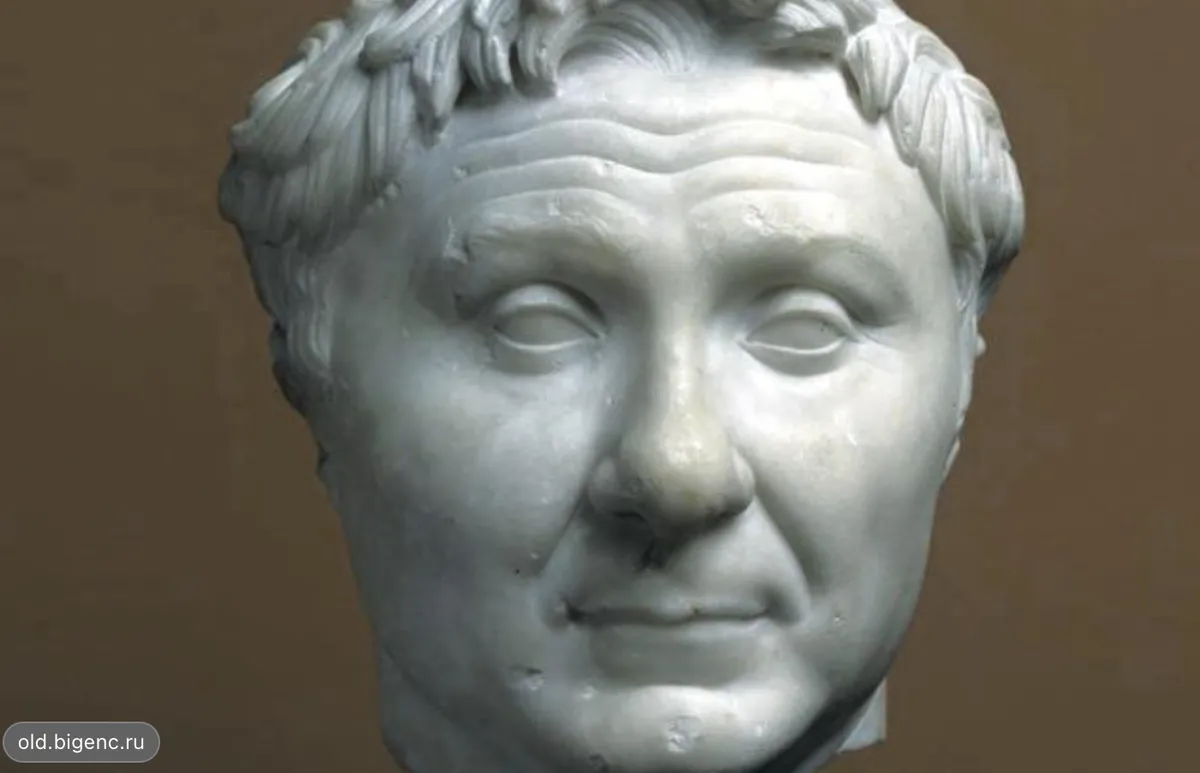 |
Julius Caesar | Roman general, politician, and dictator whose military conquests and civil war helped bring about the collapse of the Roman Republic. Formed first triumvirate with Pompey and Crassus 60BC. Became dictator for life in 44BC after defeating Pompey. March 15-Ides of March-44BC, several senators feared his concentration of power and he was assassinated. Triggered civil wars that led to the establishment of the Roman Empire under Augustus. 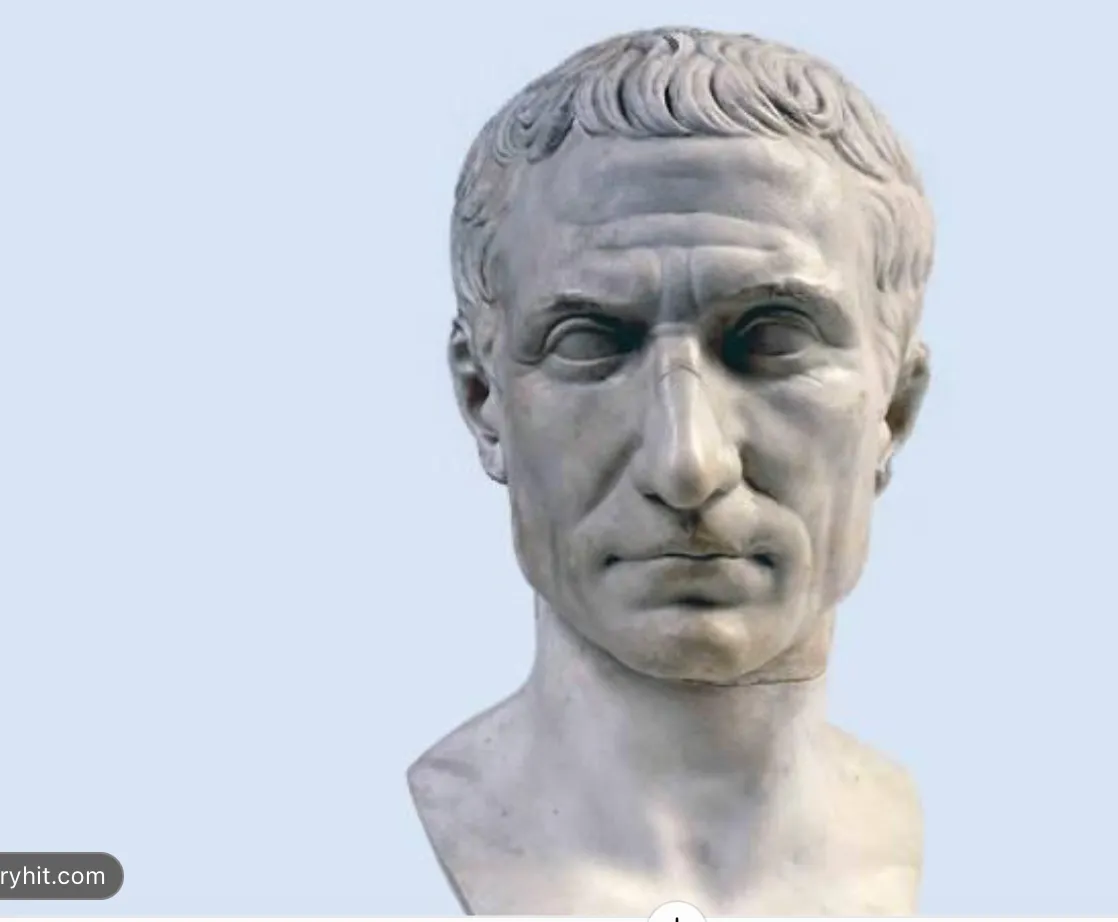 |
Cleopatra VII | last active ruler of Ptolemaic Egypt, who formed political and romantic relationships with Julius caesar and Mark Antony. Initially struggled for control of Egypt against her brother and gained support from Julius Caesar, with whom she had a son named Caesarion. After Caesars assassination, she formed alliance and romantic relationship with Mark Antony, both died by suicide, and Egypt came under Roman Rule. 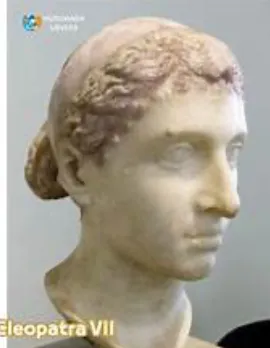 |
Marcus Junius Brutus | Roman senator who became one of the leading conspirators responsible for the assassination of Julius Caesar in 44 BC. Brutus betrayed Ceasar and died by suicide. 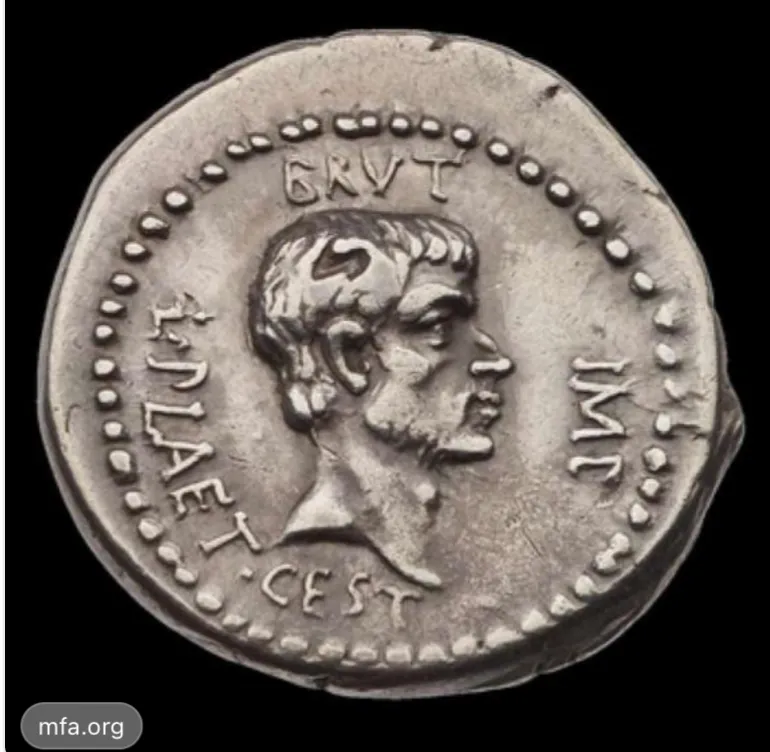 |
Augustus | Romes first emperor, originally named Octavian, who ruled from 27 BCE to 14 CE. and established Roman imperial system called the Principate. adopted son and heir of Julius Caesar. His rule began the Pax Romana=long period of relative stability across the empire. Defeated Antony and Cleopatra at Actium, leaving him as Rome's dominant leader. 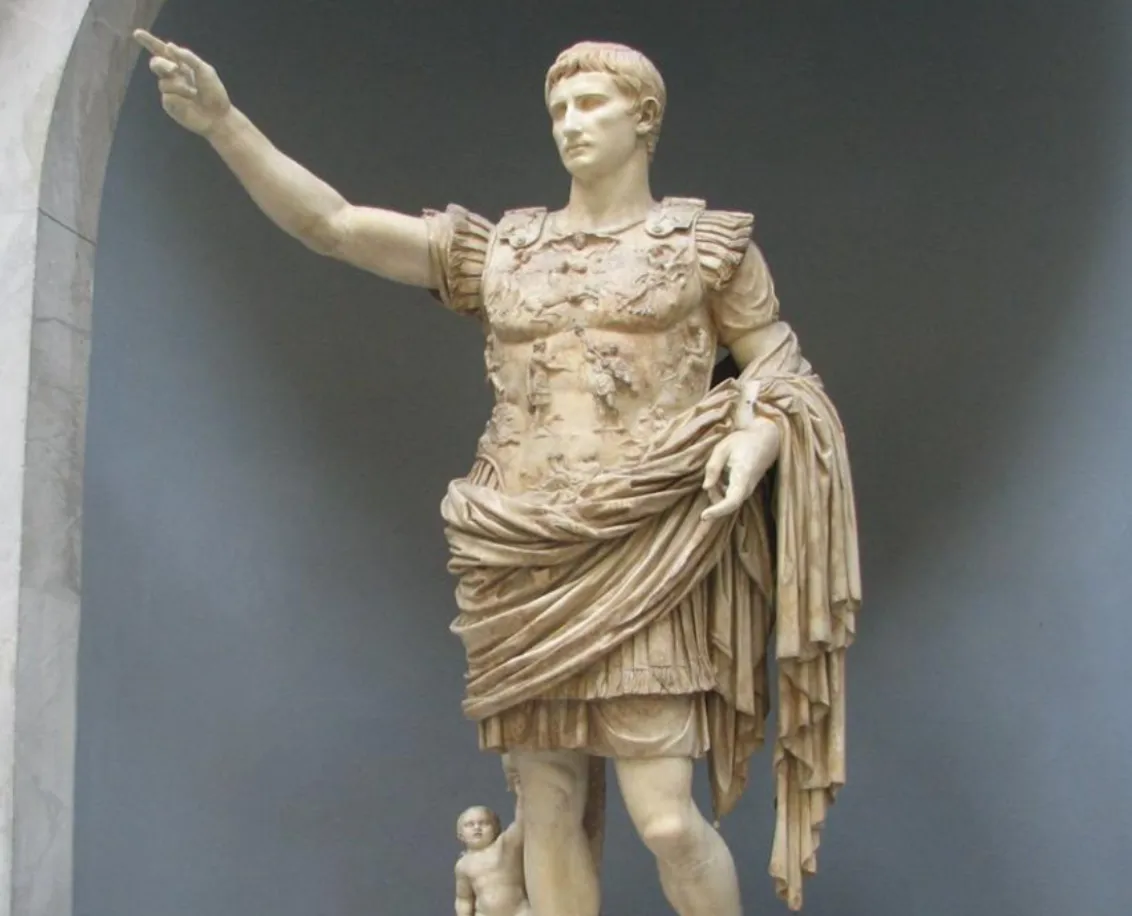 |
Res Gestae | an autobiographical inscription written by Augustus describing his political accomplishments, military victories, public spending, and services to Rome. He wrote his own list of everything great he's done to display everywhere for Rome. 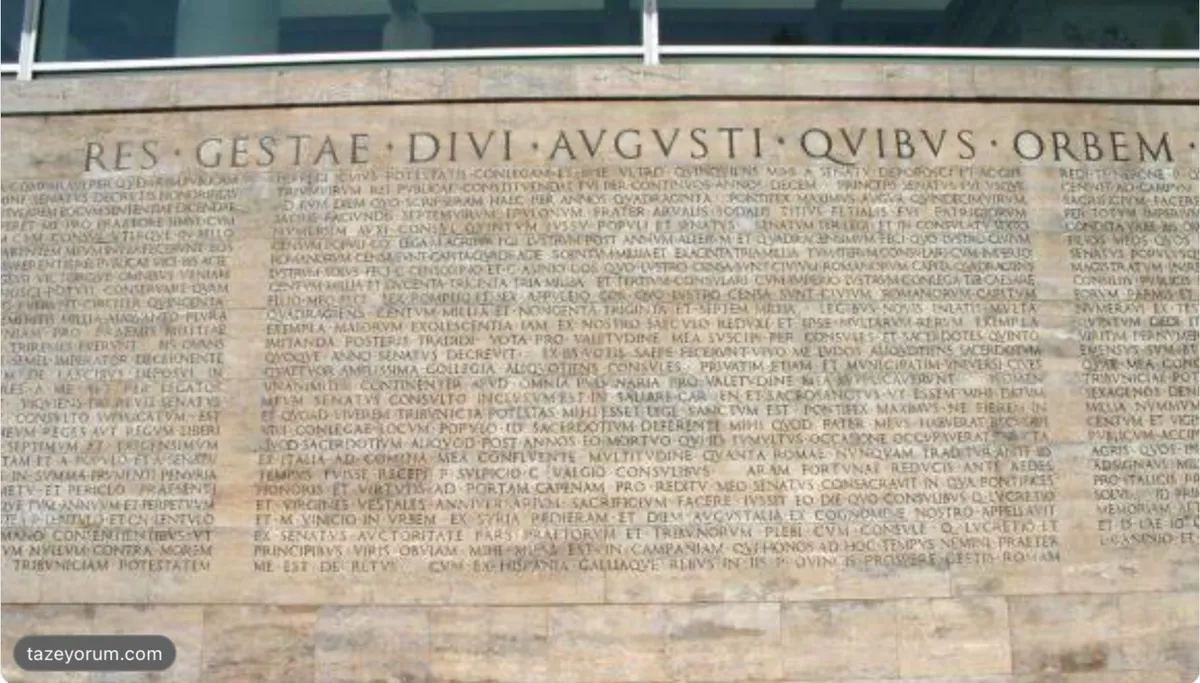 |
Ara Pacis | monumental altar built in Rome to honor the peace and prosperity associated with Augustus's rule. Dedicated in 9 BC located in Spain and Gual. (Ara Pacis=alter of peace). |