| Term | Definition |
|---|---|
What is the ancestor of the dog? | Canis Lupis (Grey wolf) |
Scientific name of the dog | Canis lupis familiaris |
Dogs are now considered a _____ of the grey wolf | Subspecies |
Subspecies V.S. Breed | Subspecies = natural selection
Breed = artificial selection by humans |
How can subspecies differ from the OG? | Morphologically: form/structure
And/or
Geographically: Earthquake split pack in half, so both halves adapted to live on their side of the split, eat only those foods, etc. |
Domestic dogs and grey wolves differ by ____% mitochondria DNA | 0.2% mitochondrial DNA |
How many chromosomes does the domestic dog have? | 39 chromosomes |
Do other animals have the same number of chromosomes as the domestic dog? | Yes, 39 chromosomes. Grey wolf, red wolf, coyote, and jackals. |
If species have the same number of chromosomes they can ___? | Interbreed |
What do grey wolves and domestic dogs have in common behavior wise? | Both are social (pack) animals
Similar posture
Similar facial expressions
Vocalizations (wolf pup to adult dog)
|
How long do we know the domestic dog has been domesticated for? | 12,000 - 15,000 years ago |
How long ago were cats domesticated? | 9,000 - 10,000 years ago |
How many generations does it take until wolves begin to need us? | 10 generations |
What is the 10 generation rule? | It takes at 10 generations for wolves to become domesticated, if all 10 generations have
- Been bred for SPECIFIC TRAITS
- MUST BE CONTROLLING REPRODUCTION |
Tamed V.S. domesticated | Taming: a single animal
Domesticated: a whole line/breed of animals |
What is neotony? | Persistent infantile characteristics
|
Physical and behavioral examples of neotony: | Physical examples: smaller size, smaller jaw, less teeth, prominent foreheads, curly tails
Behavioral examples: dog being highly curious like wolf pups, easily subordinate nature of dogs (wolf pup to pack leaders) |
Are dogs or wolves better protectors? | Dogs, because they have been bred to protect us. Wolves will protect themselves. |
How do we know for sure that dogs were domesticated at a point in history? | Human graves had dogs in them too
Little boy in Israel was buried with his dog
Cave drawings of dogs suggest even longer than the 12-15,000 years |
How long have humans been living alongside dogs? | 100,000 years |
What is the grey wolf diet? | Omnivores |
Grey wolf has lots of genetic _____ that makes them ideal for breeding | Genetic plasticity |
What does genetic plasticity mean? | How many variations of a trait/gene an animal has |
Examples of fertility and sexual maturity changes in wolves to dogs | Wolves -> dogs
1 estreus cycle annually -> 2 cycles annually
Males fertile seasonally -> fertile all year
Reach sexual maturity after physical maturity -> reach both at the same time (humping before fertile) |
Why were dogs able to change after domestication? | Elimination of natural pressures
Bred to be easily kept as pets
Dogs recognize human connection for longer than wolf pups |
What is agonistic behavior? | Combative/aggressive behavior |
Agonistic behavior in wolves V.S. dogs: | Settling dominance is harder with dogs
Dogs fight more because they don't have to use their energy to survive
Luckily, most dogs are less dominant by nature and therefore problems are easier to handle
|
What is selective breeding? | Discriminated breeding based on un/desired structural or behavioral traits
- AKA Artificial selection |
What is artificial selection? | Selective pressures artificially made by humans to continue certain traits |
How long ago did dramatic dog breed changes occur? | 200 years ago |
What is natural left-face bias? | Humans AND DOGS both usually look left when reading someone’s face |
Difference between reasoning for wolf vs dog barking: | Wolves only bark for caution, but dogs have adapted barks to show emotions |
When a human listens to a dog breathe and vice versa, ____ is released. | Oxytocin |
Health benefits of owning a dog | Oxytocin lowers blood pressure, heartrate, and stress
*Owning dog extend life, less likely to have a heart attack, 3-4x more likely to survive heart attack |
Some dogs have shown the intelligence of a human __ year old. | Human 2 year old |
How many generations of domestication until wolf agression stops? | 3 generations |
How many generations of domestication until dog affections shows? | 8 generations |
When selecting for tameness the _____ will also change | Appearance will also change |
The AKC is the _____ purebred dog registry | Largest |
How many dog breeds are there? | 205 dog breeds |
How many groups are dog breeds officially divided into? | 7 groups:
Sporting
Hound
Working
Terrier (exterminators)
Toy
Non-sporting (catch-all)
Herding
There are also 13 breeds in the miscellaneous class |
Different dog breeds share ____% of genomes. | Share 99.85% of genomes |
Can we distinguish different dog breeds through DNA? | No, because very similar genomes. |
What are 3 examples of animal modifications? | Tail docking
Ear cropping
Declawing |
What is the current most popular dog breed? | French bulldog |
What are the subgroupings of the sporting group? | Forerunners: Pointers and setters that point at game
Flushers: Pointers, setters, and spaniels that "flush out" prey towards owner
Retreivers: retrieve game |
Characteristics of the Brittany: 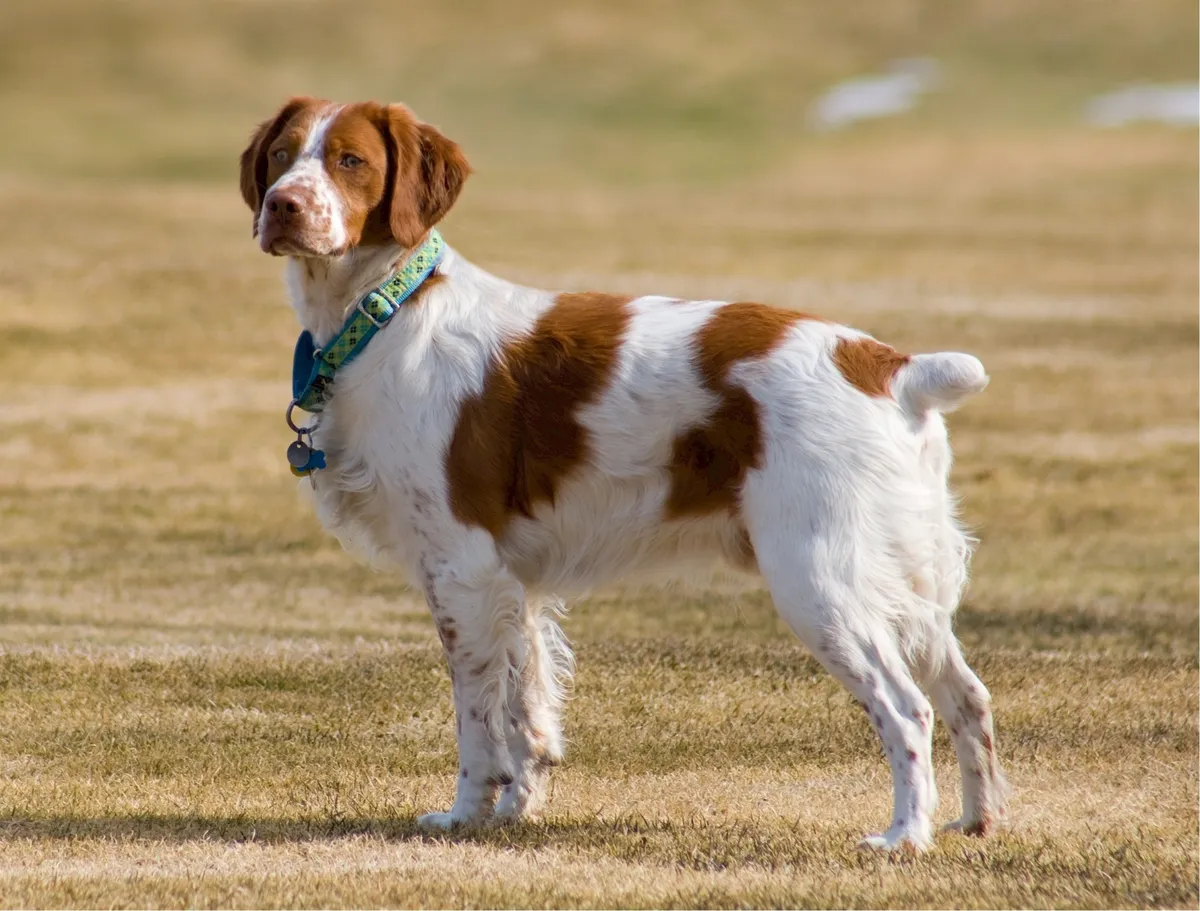 | Natural pointers
Great retrievers
Smaller sporting dog group
Friendly temperaments
Love people and dogs
"Max quality, min size"
Easily trained
Talkative
Lifespan: 12 years
Lighter brown and white coat
Common health issues: hip dysplasia, allergies, seizures |
Characteristics of the labrador retriever 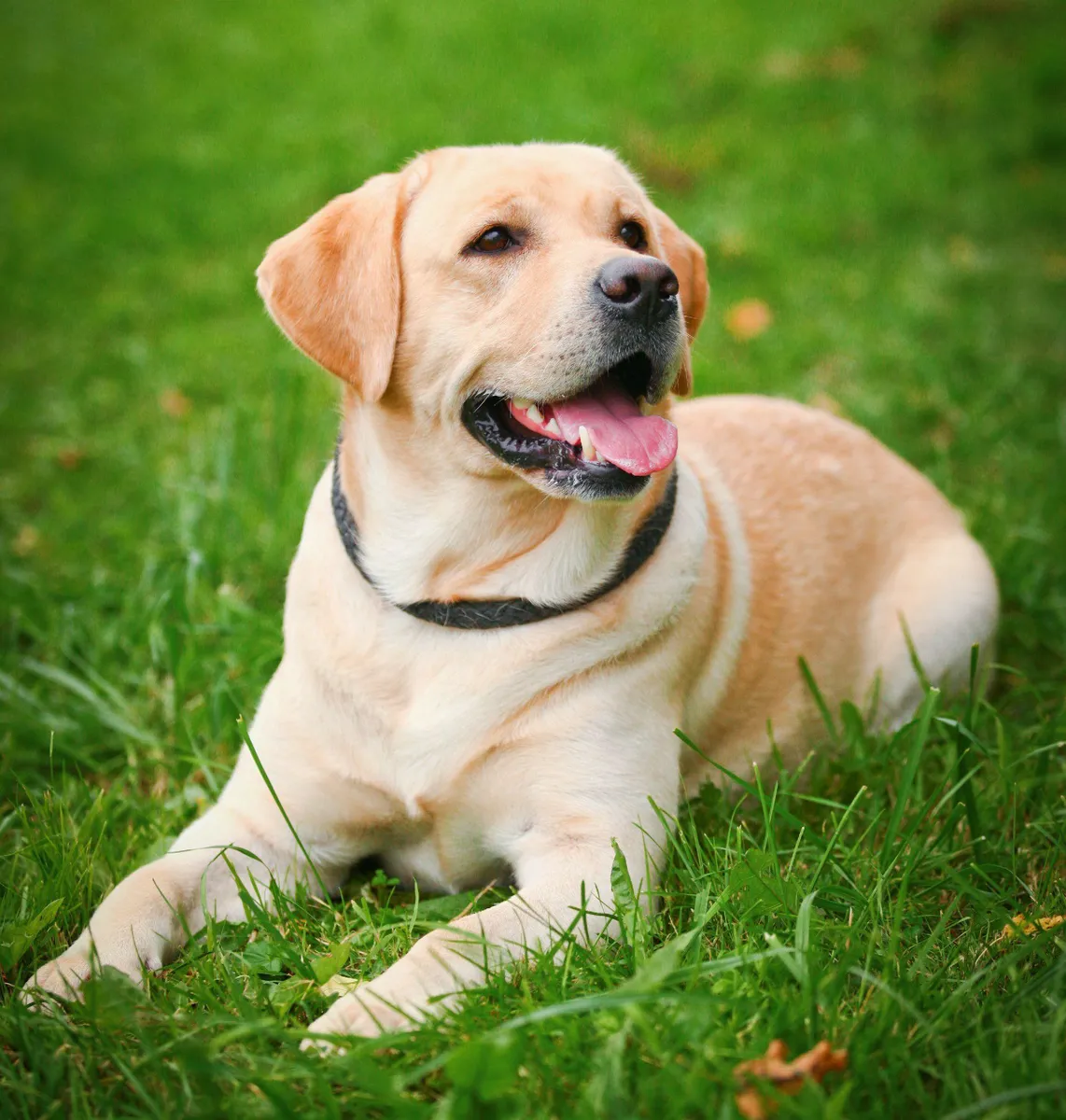 | Retrievers
Full black, brown, or tan
Medium sized
Athletic with water-resistant coat and "otter tails"
Life span: 12-15yrs
Prime breed for guide and rescue
Gentle, eager to please, intelligent, and adaptable
Love humans and dogs
Common health issues: hip dysplasia, gastric torsion, cataracts |
What are the two types of labrador retriever and their differences? | Field labs: longer head, straighter back, bred for function in field (American labrador)
Show labs: Shorts, flatter head, sloped back (English lab)
|
Characteristics of the cocker spaniel 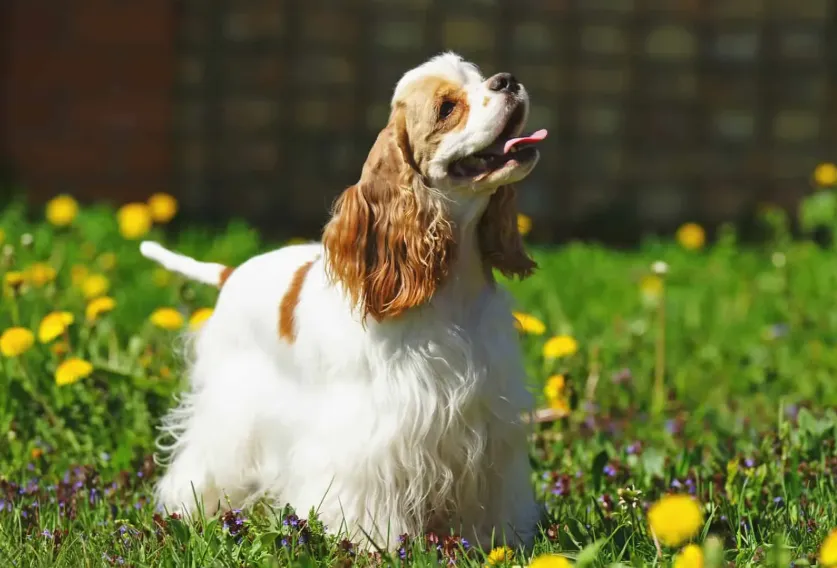 | 15+ breed coat options
Smallest sporting breed
Developed for bird hunting
Life span: 10-14 yrs
Silky double-coat
Likely originated in Spain
Coat matinence is important for skin health
Common health issues: hepatitis, anemia, bone and joint issues, allergies, cherry eye |
German Shorthaired Pointer 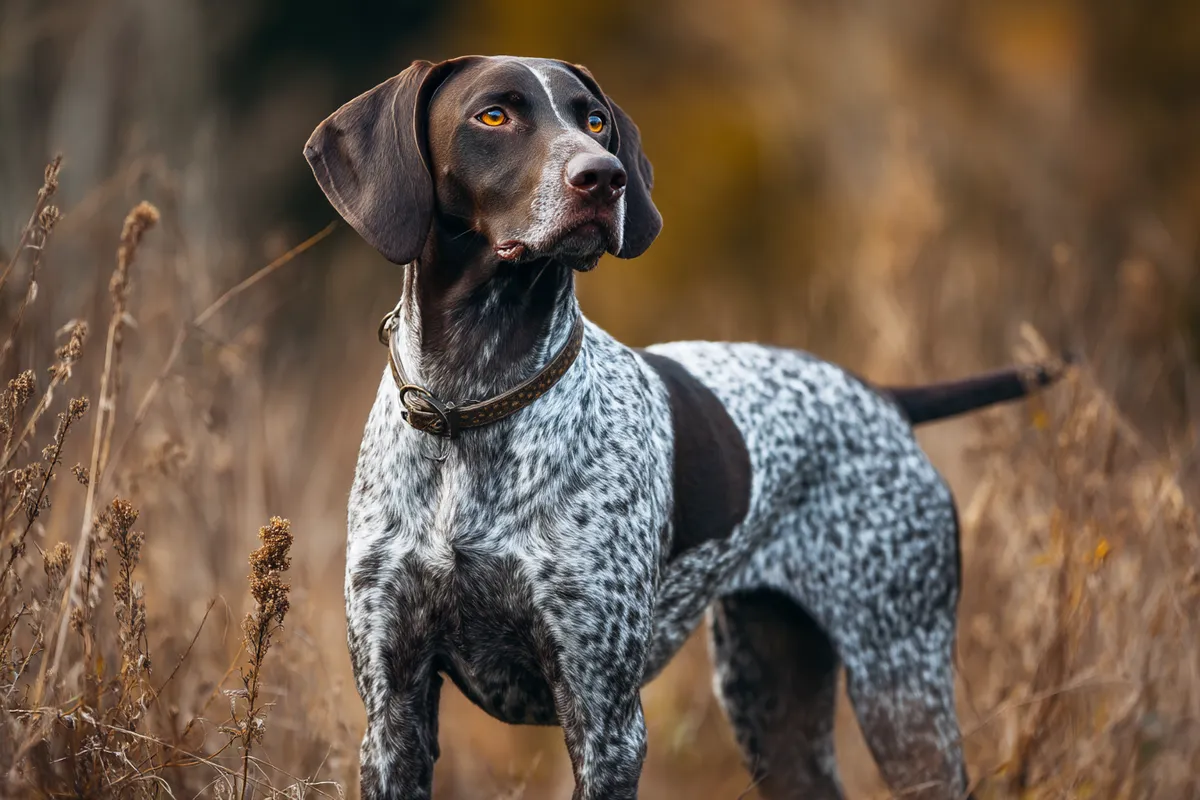 | Brown heads with gray coat with brown spots and dots
Great hunters
Easy to train, affectionate, enthusiastic
High energy and needs to exercise
Life: 10-12 years
Smooth and shorter coat than other sporting breeds
Good with children and dogs
Health issues: Bloating, hip and elbow dysplasia, progressive retinal atrophy, heart disease, cone degeneration (GSP specific) |
What disease do Cavalier King Charles Spaniels often get? | Syringomyelia - inherited neurological disorder, brain is too big for cute skull
By 6 years old, 70% of CKCS have syringomyelia
Heart disease |
What disease do dalmatians often get? | High uric acid levels (cause stones in urinary tract) (certain death, very painful, cant pee)
|
What disease do boxers often get? | Heart disease
Juvenile kidney disease |
What disease do bulldogs often get? | Can't breathe normally |