| Term | Definition |
|---|---|
what cells have different dna | red blood cells and gametes |
3 basic components of cell | cytoplasm, nucleus, plasma membrane |
what does cytoplasm include | cytoskeleton, organelles, inclusions, cytosol |
cytoskeleton | structural component
-microtubules
-intermediate filaments
-microfilaments 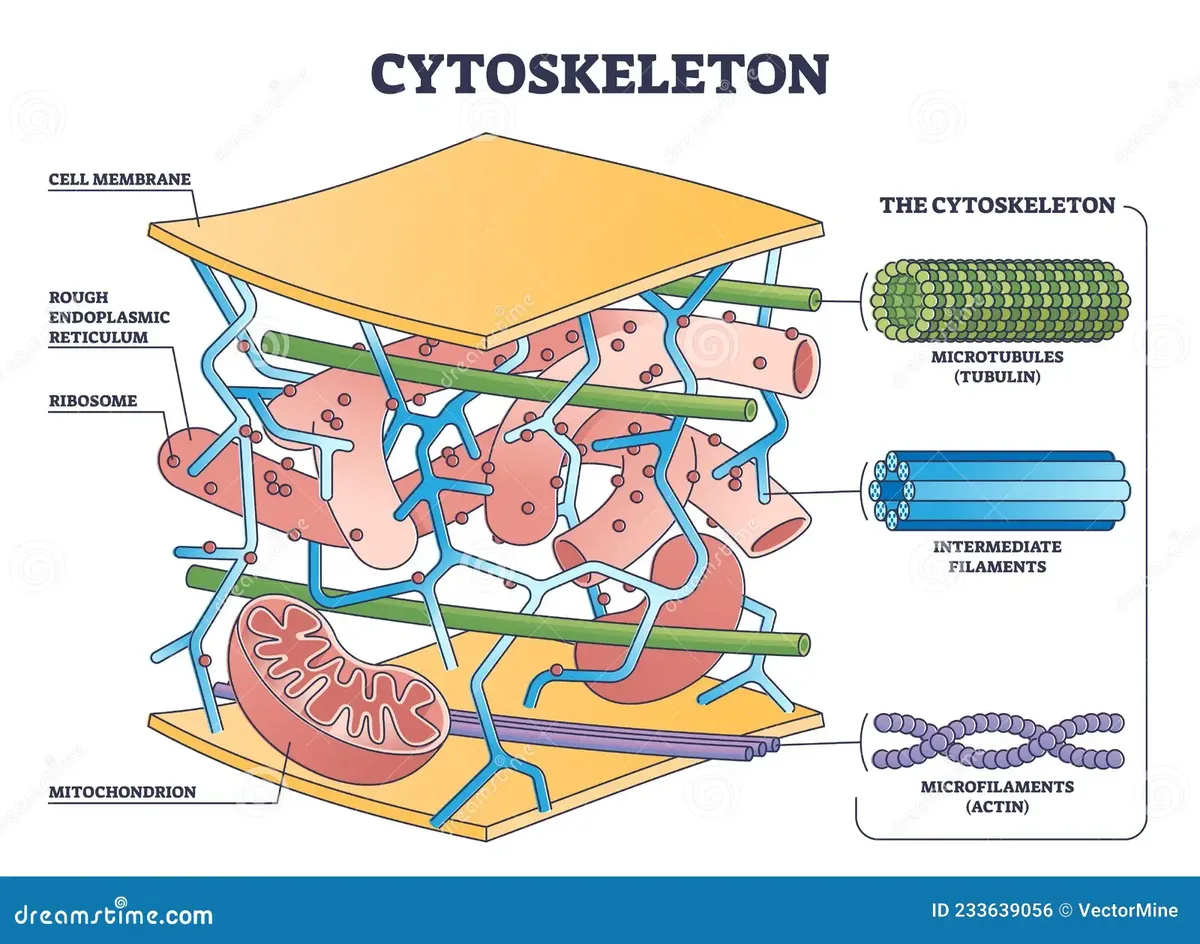 |
cytosol | fluid 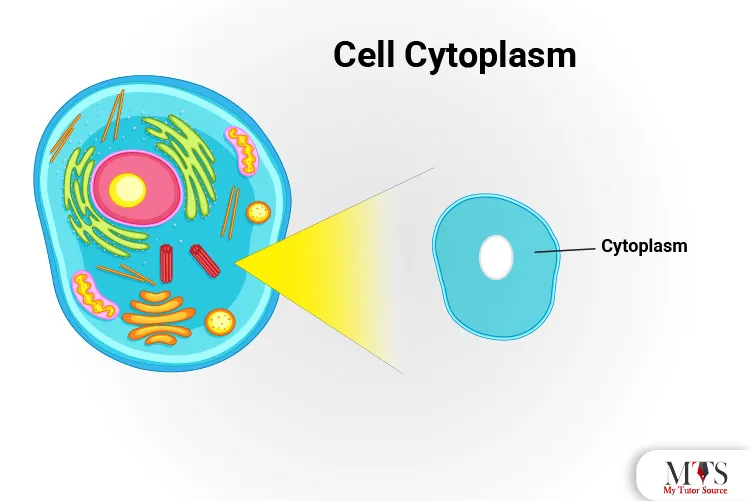 |
organelles | 'little organs'--specialized functions within cell |
inclusions | nonessential structures |
nucleus | largest organelle -- genetic control center(contains chromosomes), produces ribosomes 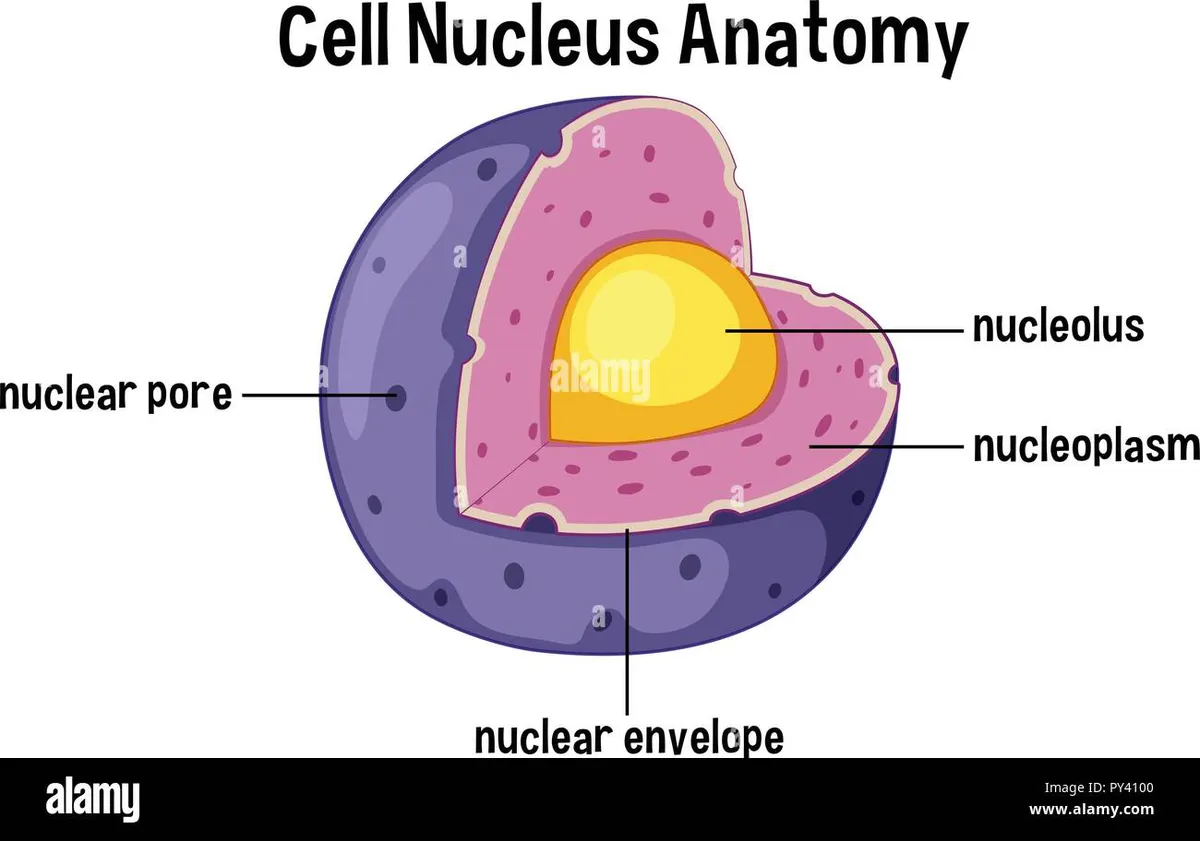 |
plasma membrane | boundary of cell 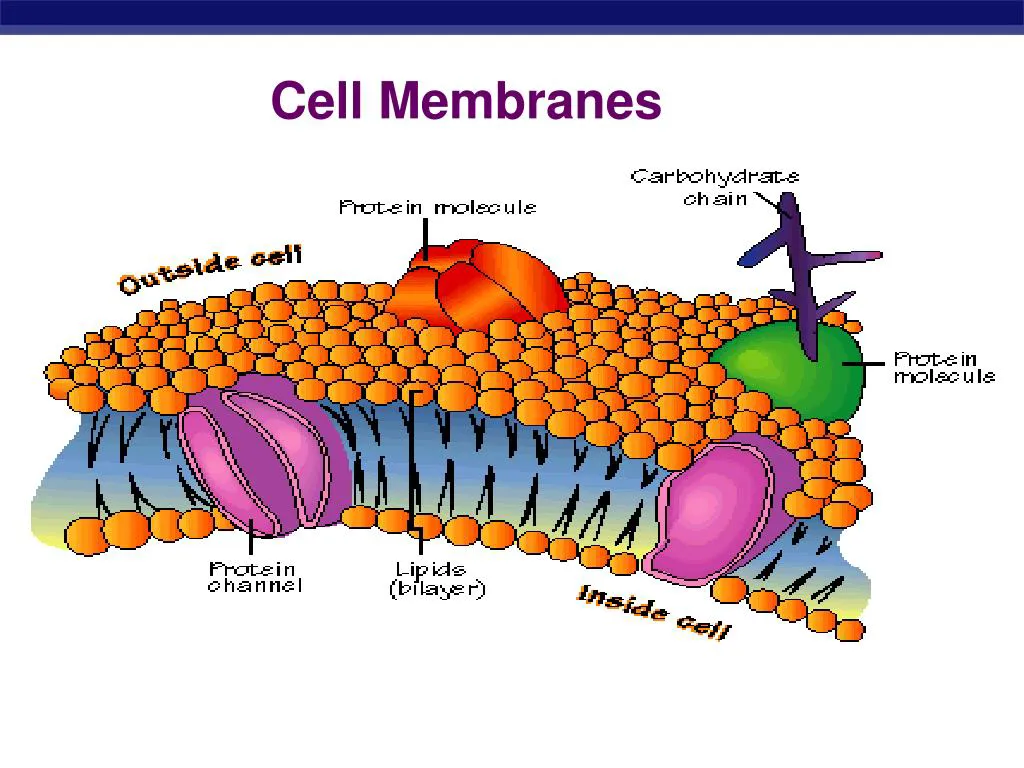 |
1 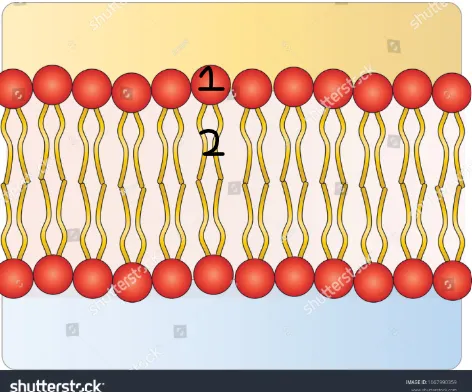 | hydrophilic head of phospholipid |
2 | hydrophobic tail of phospholipid -- no water can pass through, but lipids can |
integral(transmembrane) protein | on plasma membrane -- channel protein can open and close to let substances thru to celll 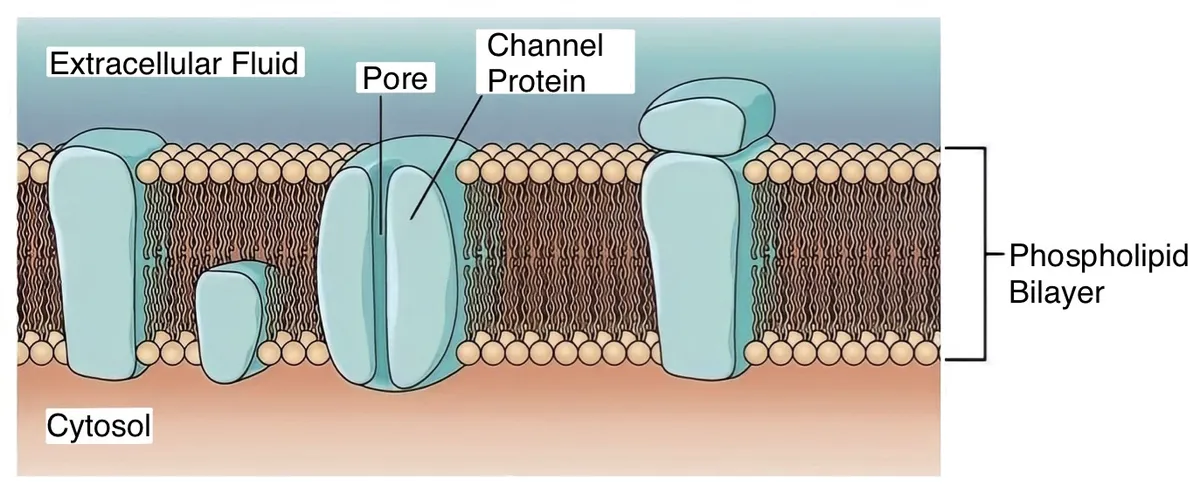 |
peripheral protein | can adhere to outside or inside of membrane
functions: connection cell markers, receptors, enzymes 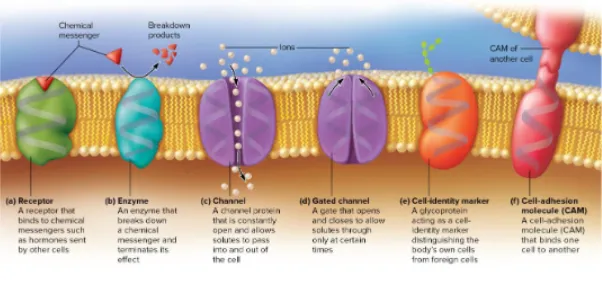 |
microvilli | surface extension--
-plasma membrane
-increases surface area 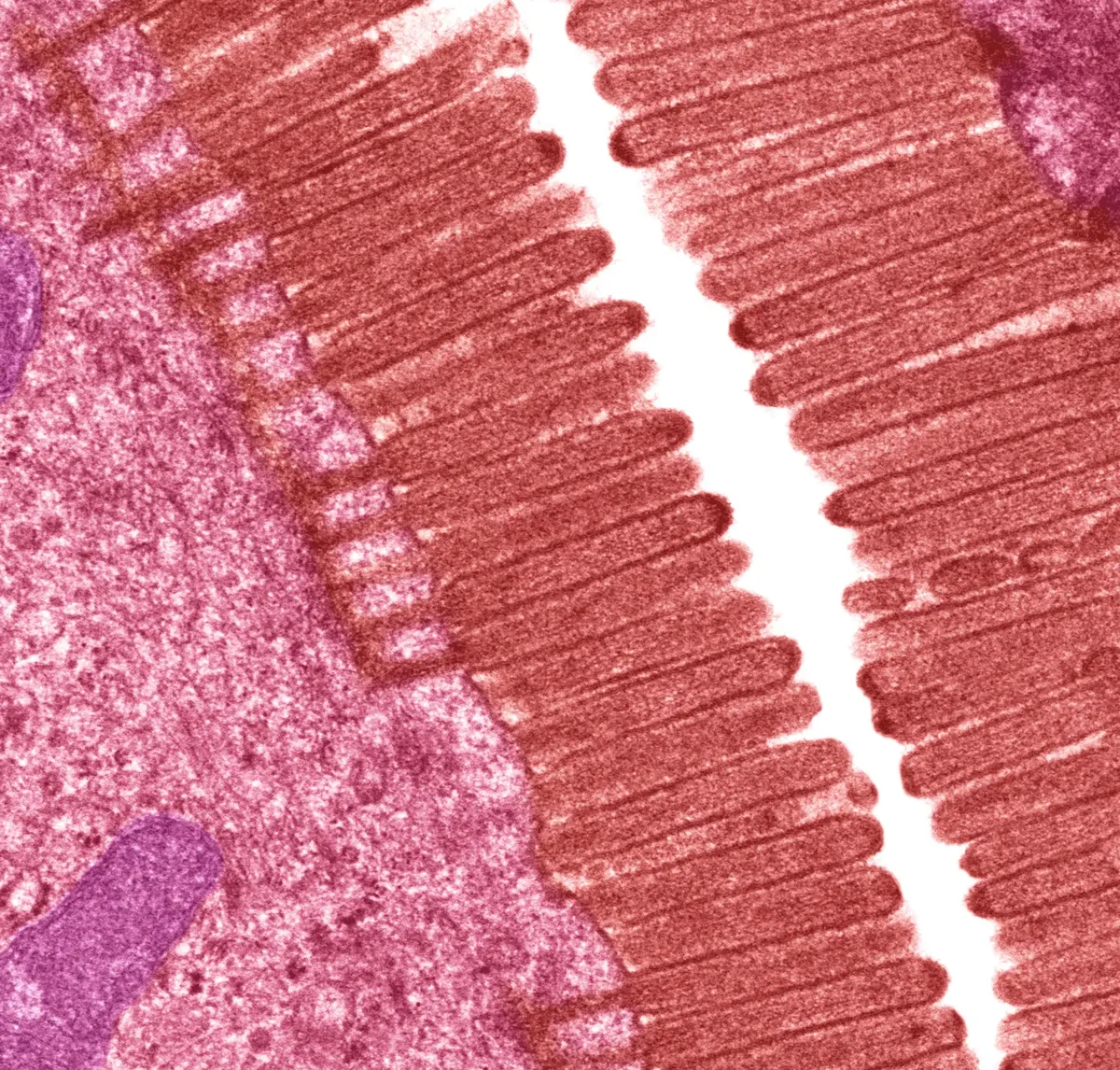 |
cilia | surface extension -- causes movement
ex) trachea 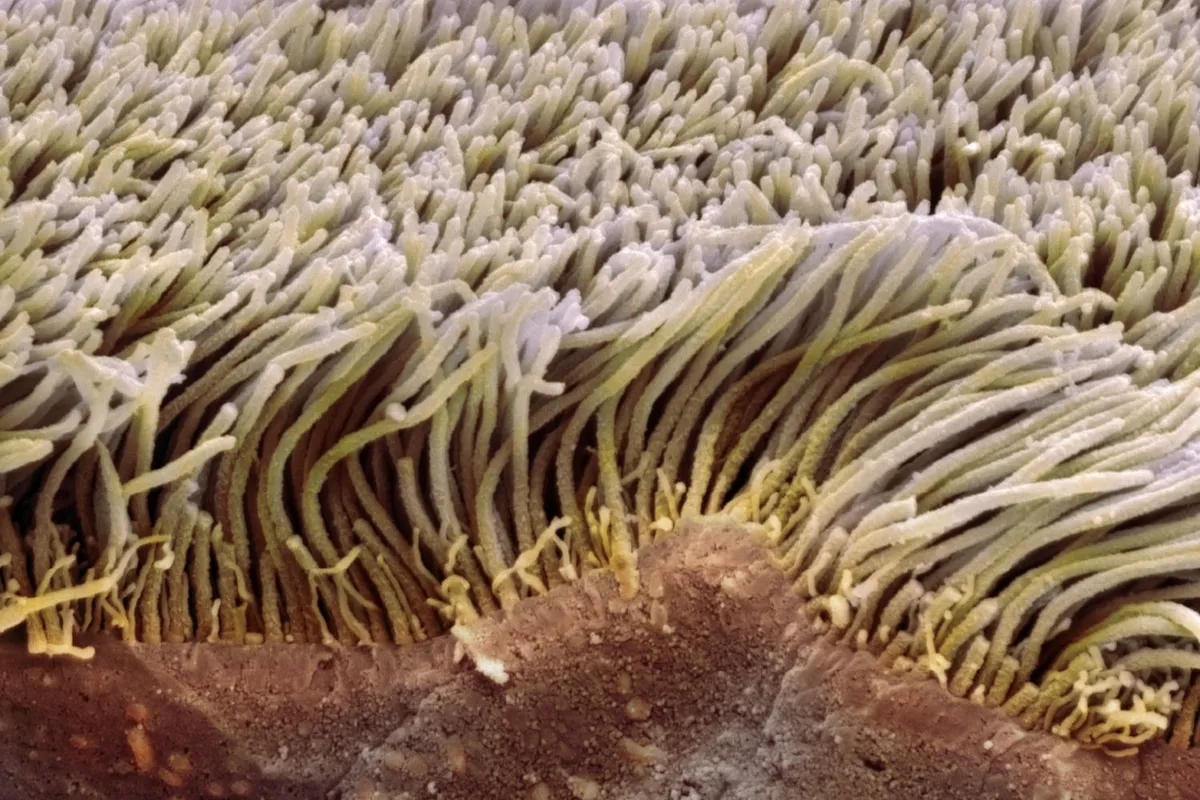 |
flagella | surface extension of male gamete -- propulsion of sperm 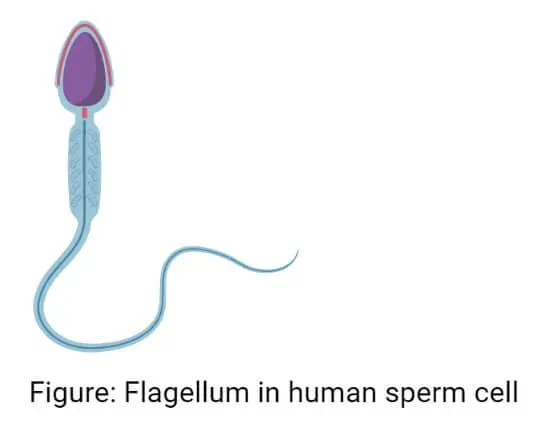 |
centrioles | organelle for mitosis
- separate chromosomes |
mitochondria | aerobic respiration and ATP production=ENERGY 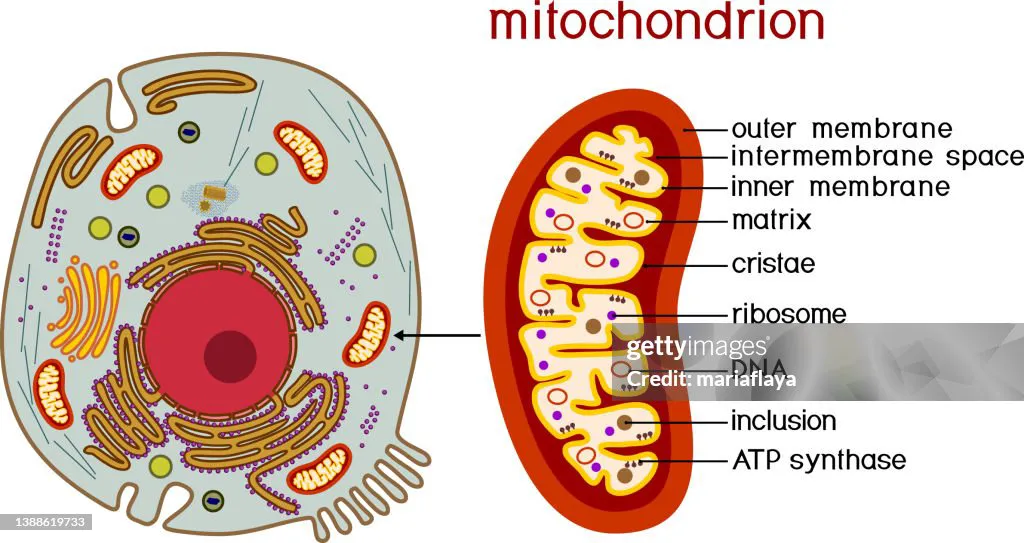 |
atp | Adenine TriPhosphate |
where are ribosomes located | cytosol, rough ER, nuclear envelope nucleoli, mitochondria |
ribosome | protein synthesis
(translates mRNA(messenger RNA) into proteins) |
DNA->RNA | transcription= is rewritten
(in nucleus)
1ST STEP |
RNA->protein | translation= different 'language'
(in ribosomes)
2ND STEP |
rough endoplasmic reticulum | studded with ribosomes
produces phospholipids and proteins of plasma membrane
produces proteins for secretion and for lysosomes 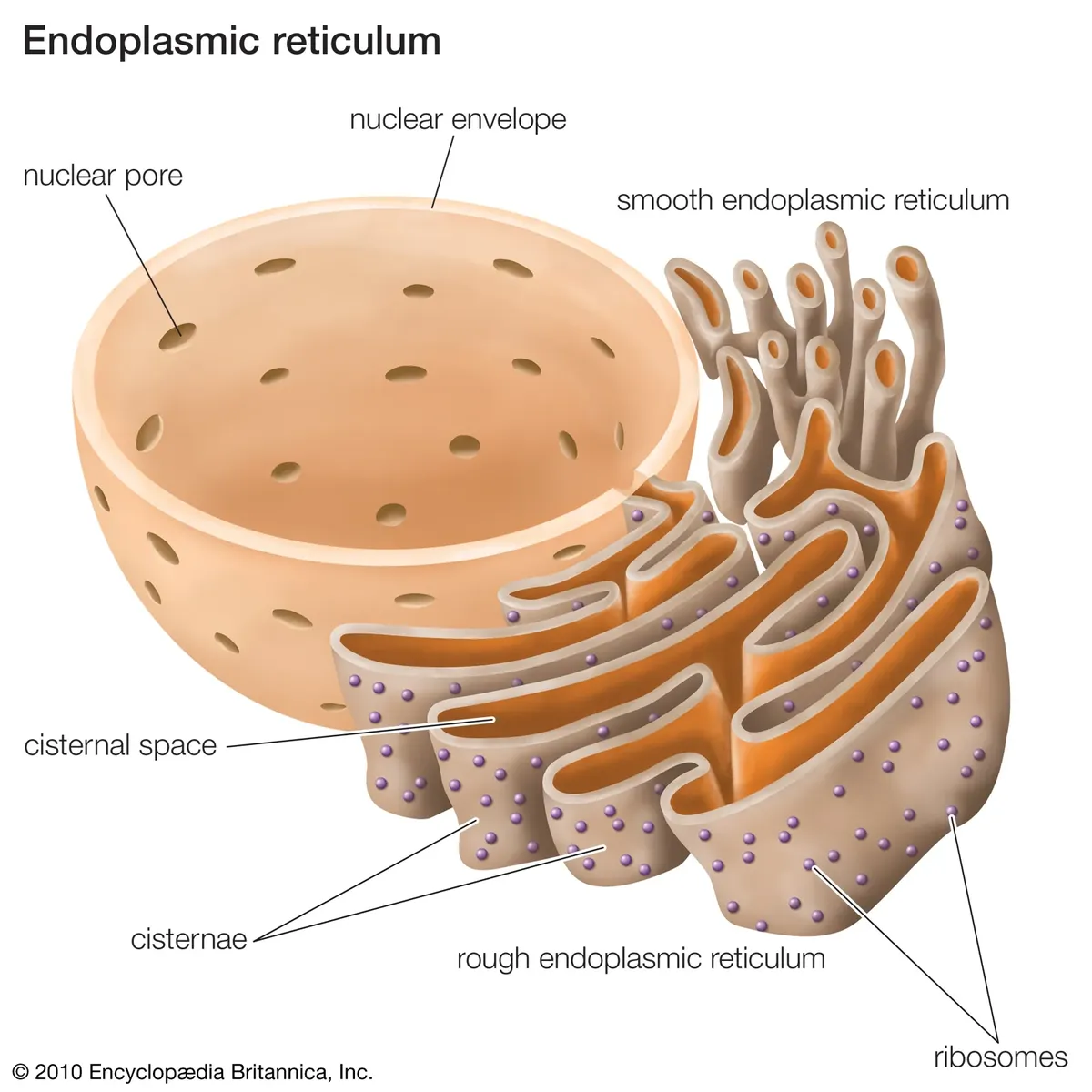 |
smooth endoplasmic reticulum | produces detoxifying cells
produces steroids
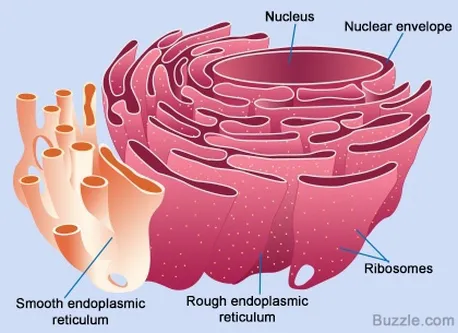 |
golgi complex | produces golgi vessicles which package and send proteins 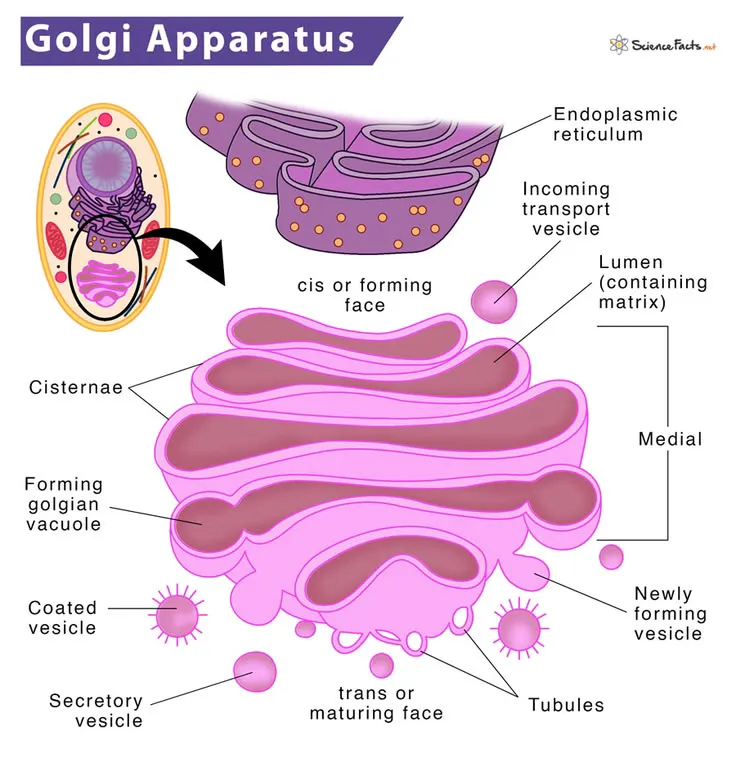 |
lysosomes | 'garbage disposal' --- for cell parts
enzymes in single-unit membrane 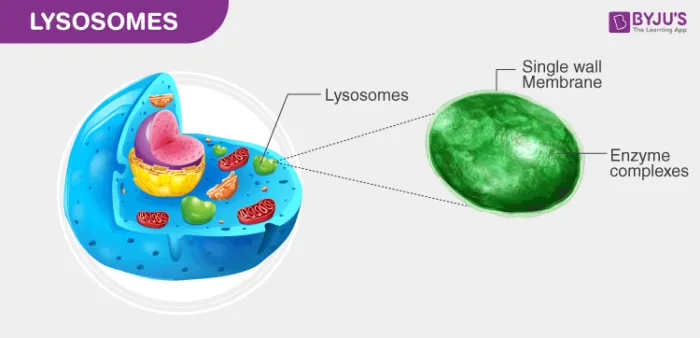 |
perioxisomes | resemble lysosomes
oxidize other molecules -- produce hydrogen peroxide
abundant in liver and kidneys |
proteasomes | cylindrical
break down proteins |
autophagy | breaking down of organelles |
apoptosis | programmed cell death |
passive membrane transport | no energy is used by cell |
active membrane transport | cell needs to provide energy
(solute too big, moving against concentration gradient) |
simple diffusion | when a solute moves down concentration gradient -- high concentration -> low concentration
PASSIVE |
lipid soluble solute | nonpolar -- can go thru phospholipid membrane |
water soluble solute | polar -- has to go thru channel protein |
osmosis | special case of simple diffusion -- movement of water
-opposite of simple diffusion -- water goes from 'more watery' to 'less watery' |
hypotonic | lower concentration outside= water goes in |
hypertonic | higher concentration of solutes outside = water goes out |
facilitated diffusion | a solute binds on a receptor site of a protein, protein changes shape, solute is released on other side
PASSIVE |
filtration | blood pressure in capillaries forces water and small solutes through clefts between cells
PASSIVE |
active transport | solute moves up concentration gradient
1. binds to receptor site on transport protein
2. protein breaks down ATP
-atp ->adp
-Pi binds to protein and induces shape change
3. protein releases solute to other side |
vesicular transport | uses cell vesicles
ACTIVE |
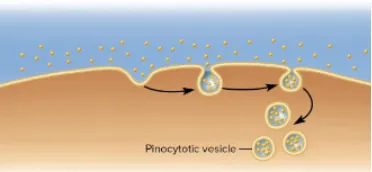 | Pinocytosis -- cells engulf or 'drink' fluid |
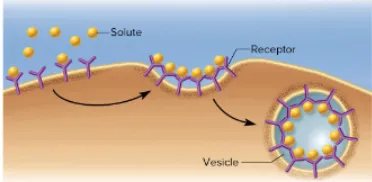 | receptor-mediated endocytosis
vesicles bring solute in thru receptors |
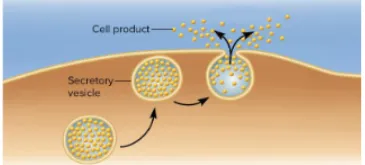 | exocytosis --expulsion |
interphase -- G1 | first gap phase -- growth, normal metabolic rates |
interphase -- S | Synthesis phase -- DNA replication |
interphase -- G2 | second gap phase -- growth, prep for mitosis |
prophase | chromatin condenses
nuclear envelope breaks down
nucleolus disappears 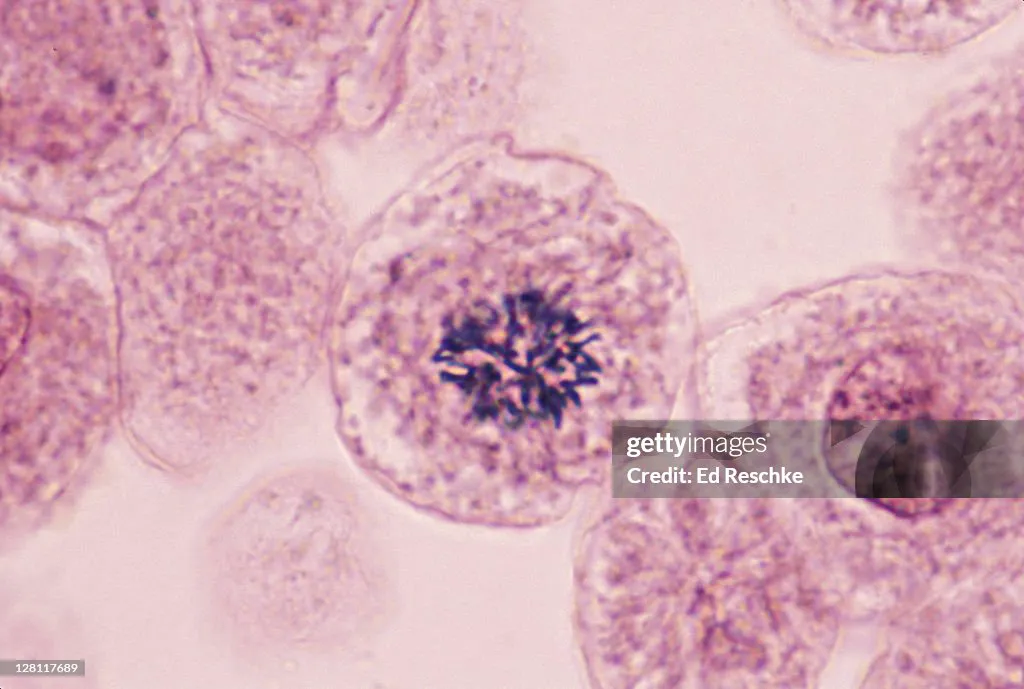 |
metaphase | chromosomes align in middle of cell 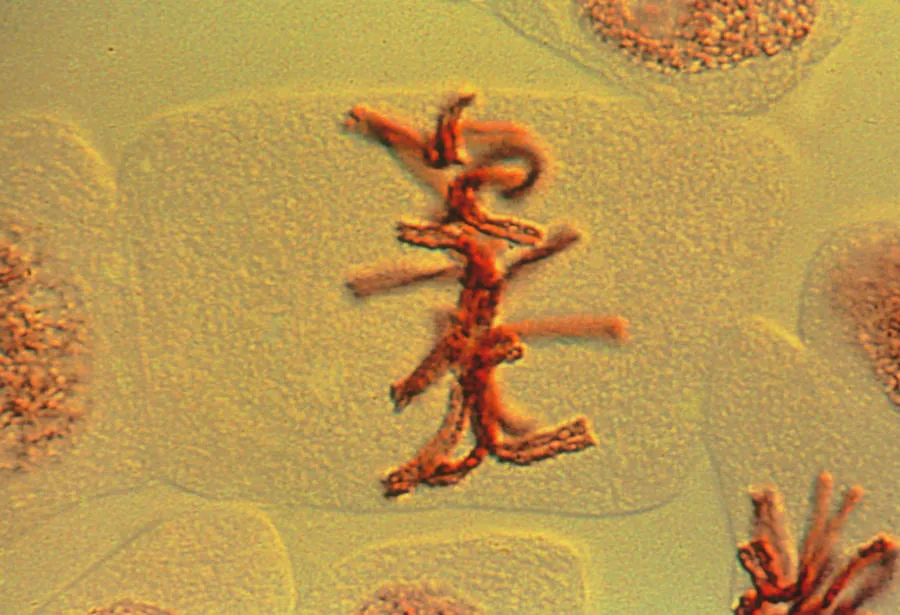 |
anaphase | daughter chromosomes move to opposite poles 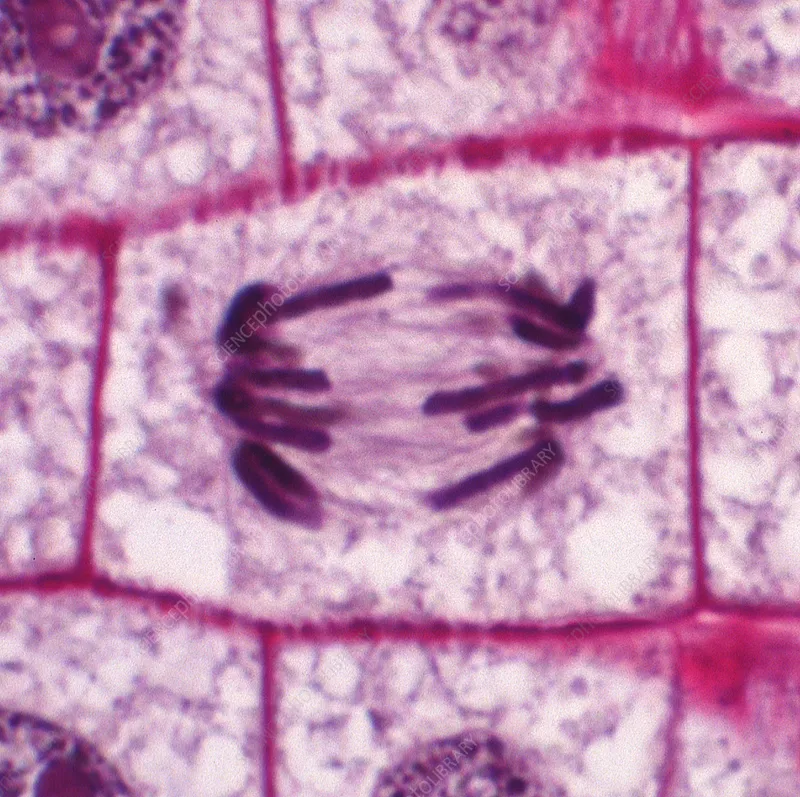 |
telophase | chromatids at each pole condense
nuclear membrane reforms
nucleoli reforms 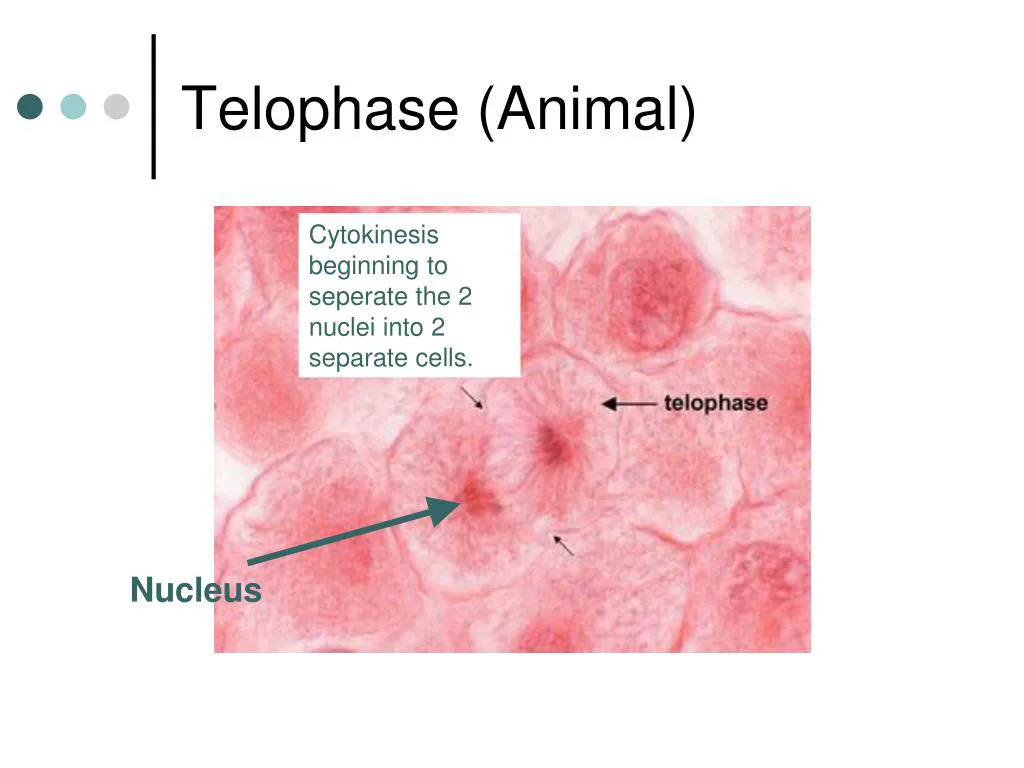 |
cytokinesis | division of cytoplasm -- cell pinches into two identical daughter cells 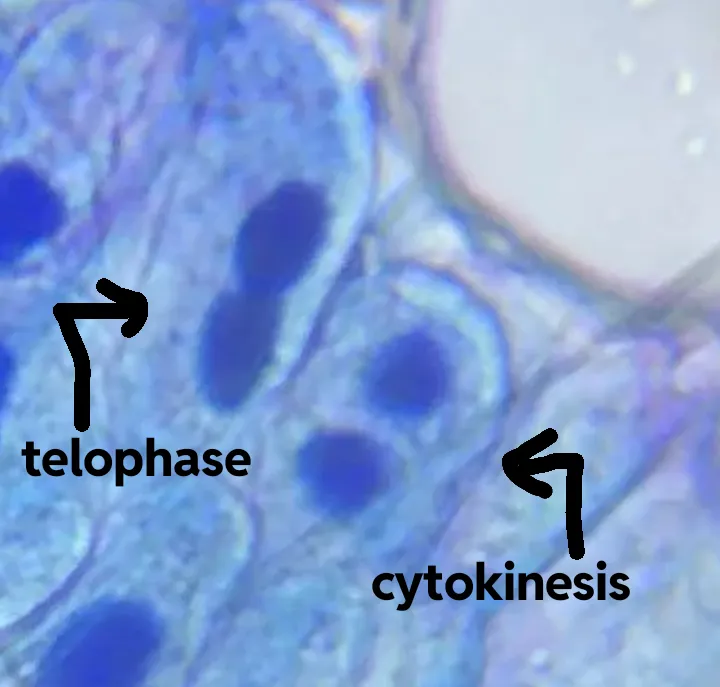 |
stem cells | immature cells that can develop into 1 or more types of mature specialized cells |
pluripotent stem cells | can make anything -- embryonic |
multipotent | specialized to certain system ex)bone stem cells |