| Term | Definition |
|---|---|
what is matter | anything that has mass |
what is energy | the ability to work |
what are the two types of energy | kinetic and potential |
what are the 3 states of matter | liquid, solid, gas |
what is solids type of energy kinetic or attraction | attraction/potential |
what is liquids type of energy kinetic or attraction | medium both? |
what is gas's type of energy kinetic or attraction | moving energy, kinetic energy |
what is the difference between exothermic reaction and endothermic | exothermic releases energy and endothermic absorbs energy |
what is an atom | the smallest piece of an element that keeps its chemical properties |
proton | located in the nucleus, + charge, 1 AMU |
Neutron | located in the Nucleus, neutral charge, 1 AMU |
electron | located in the orbital, - charge, 0.005 AMU |
where is the atomic number located, what does it represent, | it represents protons and electrons 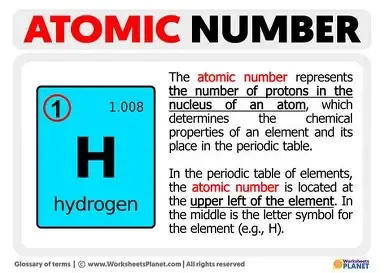 |
where is the atomic mass located and what does it represent | its located under the atomic symbol, it represents neutrons |
what are the wo types of bonds that can form between atoms | Ionic bond and Covalent bonds |
what is a ionic bond | electrons are transferred from one atom to another |
what is a covalent bond | when atoms share electrons |
what are the 5 properties of water | Cohesion, Adhesion, High heat capacity, solid is less dense, forms solution |
cohesion | attraction between the same substance
surface tension |
adhesion | attraction between molecules of different substances; water on grass |
high heat capacity | amount of energy needed to raise the substances temperature; lakes/oceans |
solid is less dense | water expands slightly upon freezing making ice less dense than liquid water; ice |
forms solution | water polarity gives the ability to dissolve both ionic compounds and other polar molecules |
what is an ion | an atom that becomes charged as a result of losing or gaining electrons |
two labeled water molecules connected by a hydrogen bond | 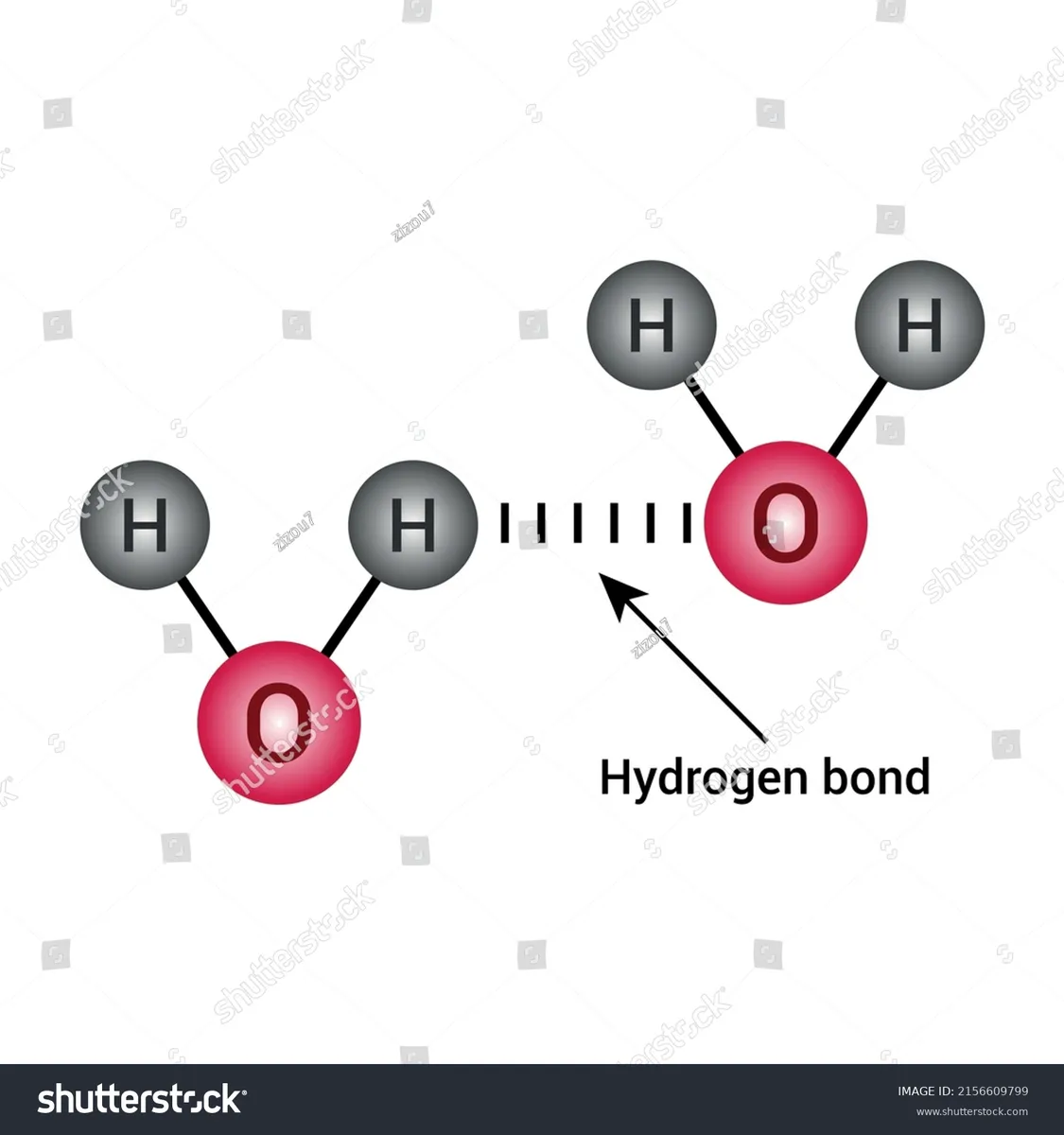 |
what characteristic of water causes these properties | structure and polarity |